



The Power of Controlled Fish Harvesting
For commercial whitefish harvesters, seafood processors, and distribution partners, the ultimate goal is clear: deliver the highest possible quality to the market while protecting value throughout the supply chain.
But whitefish quality is not determined only at the plant. It is shaped during the first hours on board the vessel.
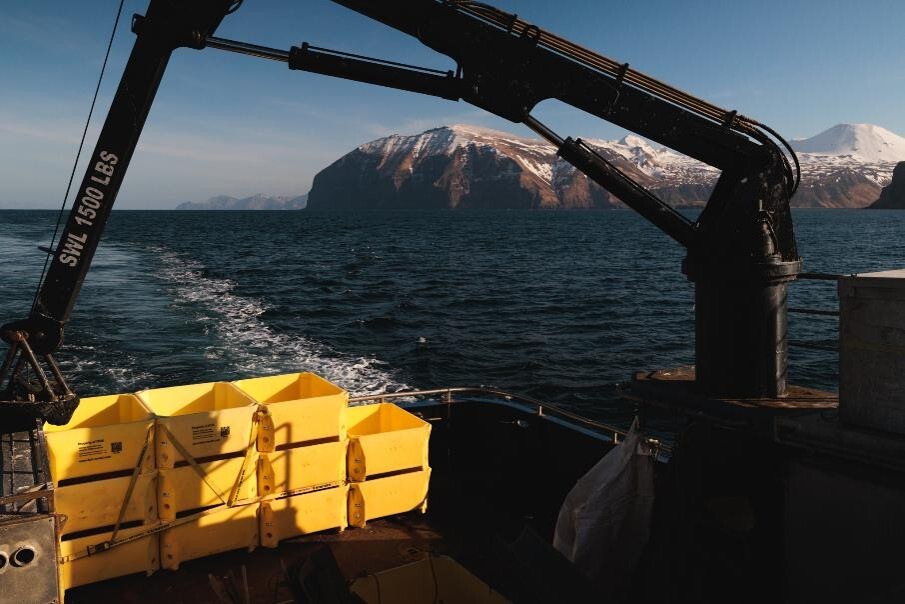
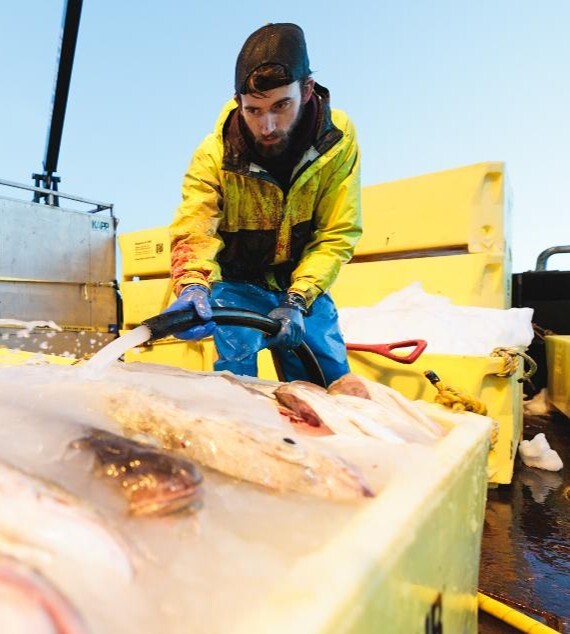
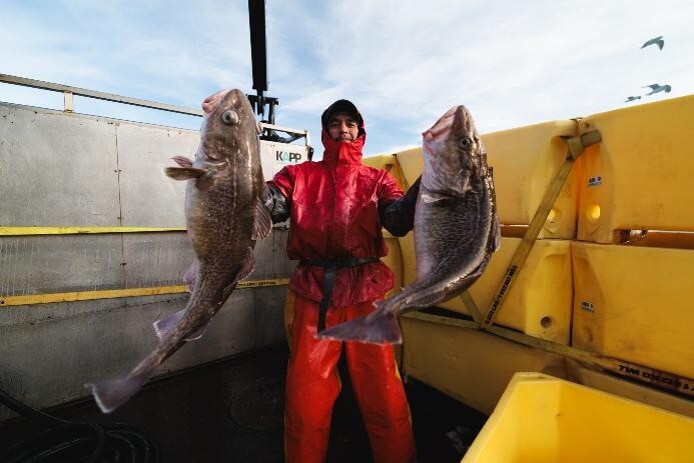
When handling premium whitefish like Pacific Cod, shifting from traditional bulk methods to a modern container-based system is a practical, proven path to protecting fish quality from vessel to plant. Here is a look at why immediate cooling and structured workflows drastically alter shelf life, revenue, and crew satisfaction
The Core Challenge: Time, Temperature, and Quality Shocks
Time, temperature, handling stress, storage method, and offload practices all play a role in final product quality. Once freshness is lost or fish is damaged, that value cannot be recovered later in the process.
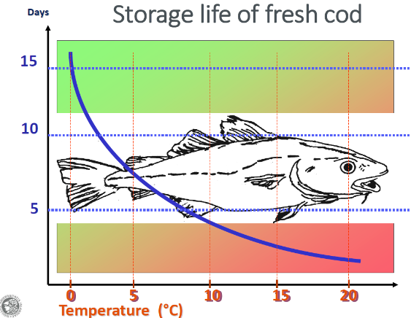
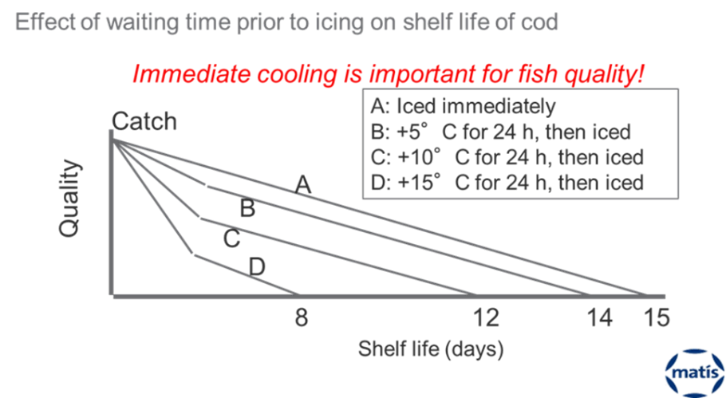
Data from seafood research institutes like Matis highlights that immediate cooling is absolutely critical for freshness. The faster a fish is chilled toward its ideal temperature range, the longer its freshness is locked in. Conversely, letting a catch sit even a few hours at slightly elevated temperatures severely truncates its total shelf life.
A Better Way: The Container-Based Handling Workflow
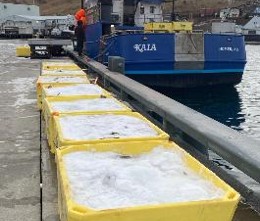
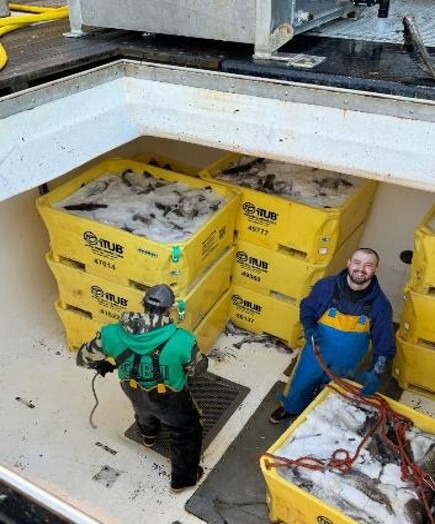
Saeplast low-profile PE containers help make this process practical and repeatable. When combined with proper bleeding, gutting, icing or slurry ice, careful handling, and good plant receiving practices, container-based handling can help protect fish quality from vessel to plant.
The ideal workflow follows a highly disciplined sequence:
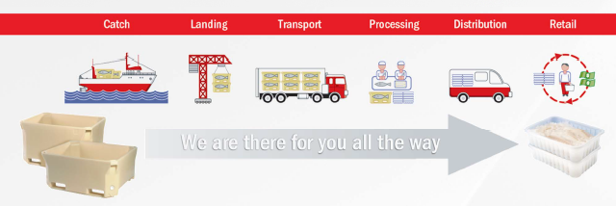
Why Low-Profile Containers Make the Difference
Using a specialized container, such as a low-profile polyethylene (PE) tub measuring 123 x 103 x 58 cm, introduces unique logistical and biological advantages:
-
Controlled Batches: Instead of a single mass of fish, the catch is segregated by time, tow, or quality class.
-
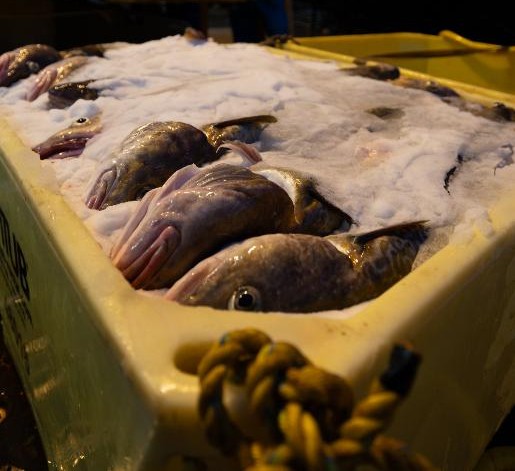
Optimal Ice Contact: Tubs allow for a precise mix of dressed fish and slurry ice, such as 650 to 700 lbs of fish to 75 to 100 lbs of slurry, guaranteeing even, rapid chilling throughout the entire batch.
-
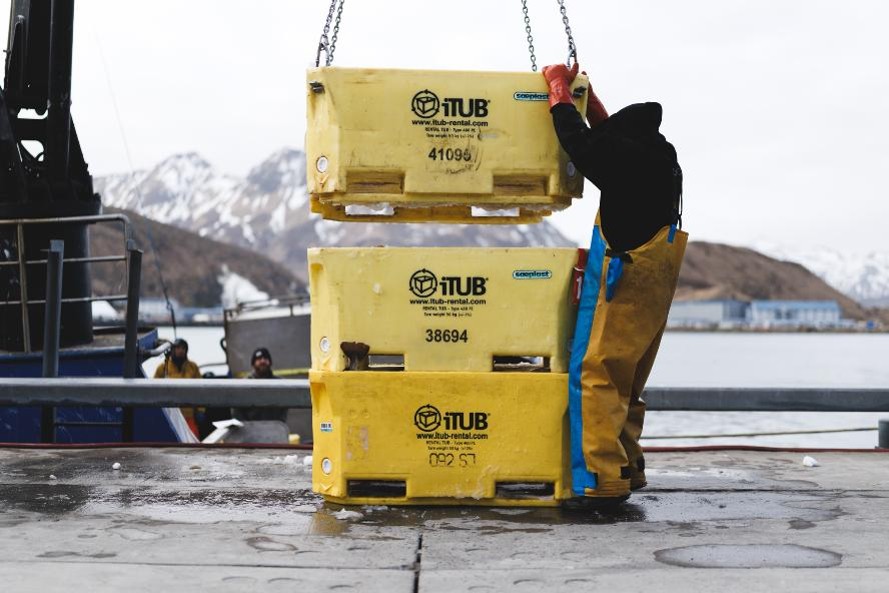
Ergonomics and Safety: A lower profile makes it significantly easier for crew members to access, layer ice, and handle fish, reducing physical strain on their bodies.
-
Industrial Strength: Double-walled PE construction features smooth, food-grade hygienic surfaces that are easy to clean daily, alongside integrated hoisting grips and standard forklift or pallet-jack entry slots.
Real-World Proof: Approximately Six Additional Days of Shelf Life
The business case for controlled handling is not only theoretical.
In a Pacific cod shelf-life experiment, a handling method using immediate bleeding and gutting, rapid chilling, slurry ice, and tub storage reported approximately six additional days of shelf life compared with the traditional RSW handling method.
The result should be understood as the benefit of a complete handling system, not one product alone. The value comes from combining better onboard practices with the right equipment: less pumping, faster chilling, controlled batches, and a cleaner handoff from vessel to plant.
For processors and harvesters, that is the real opportunity: protect more quality from the same catch.
Mutual Value: Benefits Plant Managers and Crews Can Feel
A structured container ecosystem yields a rare operational win-win, optimizing performance on the water and inside the plant.
| For the Crew & Vessel | For the Processing Plant |
|---|---|
| Safer Deck Workflows: Cleaner, more organized decks reduce tripping hazards and shifting cargo. | Controlled Receiving: Plant managers receive precise batch information, allowing them to optimize processing lines. |
| Less Manual Labor: Eliminating bulk re-handling during offload means less backbreaking work. | Enhanced Traceability: Clear labeling, barcodes, or RFID tags can easily be integrated into the tubs for end-to-end tracking. |
| Improved Recruitment: Vessels that prioritize safer, less punishing physical labor find that qualified deckhands line up wanting to work for them. | Fewer Quality Shocks: A seamless, gentle container handoff ensures the fish enters the line cold and unbruised. |
The Bottom Line: Total Operating Value
The value of controlled batch handling is bigger than the tub.
It is about reducing quality risk, protecting premium product value, improving consistency, supporting crew safety, and creating a more disciplined process from harvest to plant receiving.
By moving from bulk handling to a structured container-based system, fishing operations can reduce unnecessary handling, improve batch control, support traceability, and deliver fish to the plant in a more consistent condition.
More Like This:
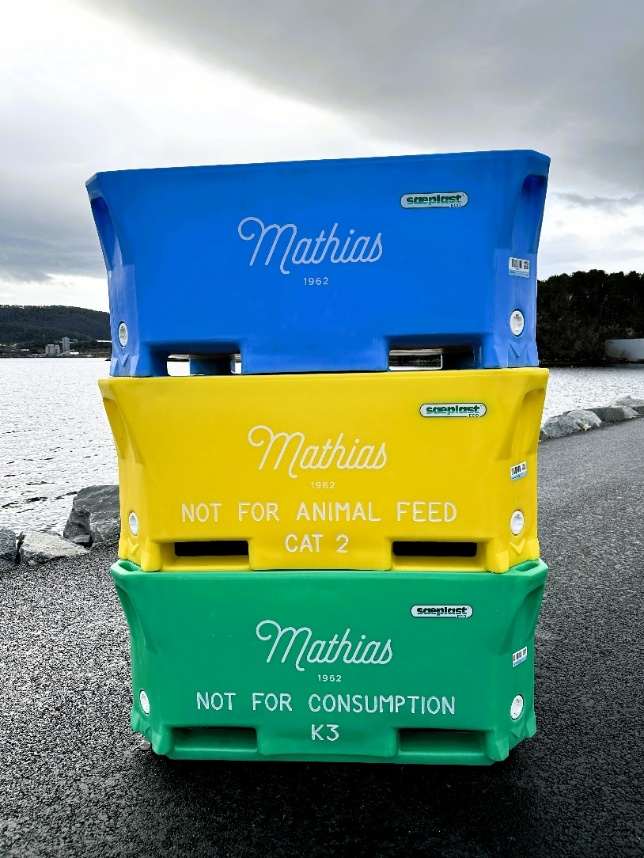
We Build for the Future – and the Equipment Must Match
Food processors around the world are under pressure to improve safety, reduce waste, streamline operations, and deliver consistent quality. Saeplast helps them do that with durable, hygienic, reusable material-handling solutions designed for the realities of food production.
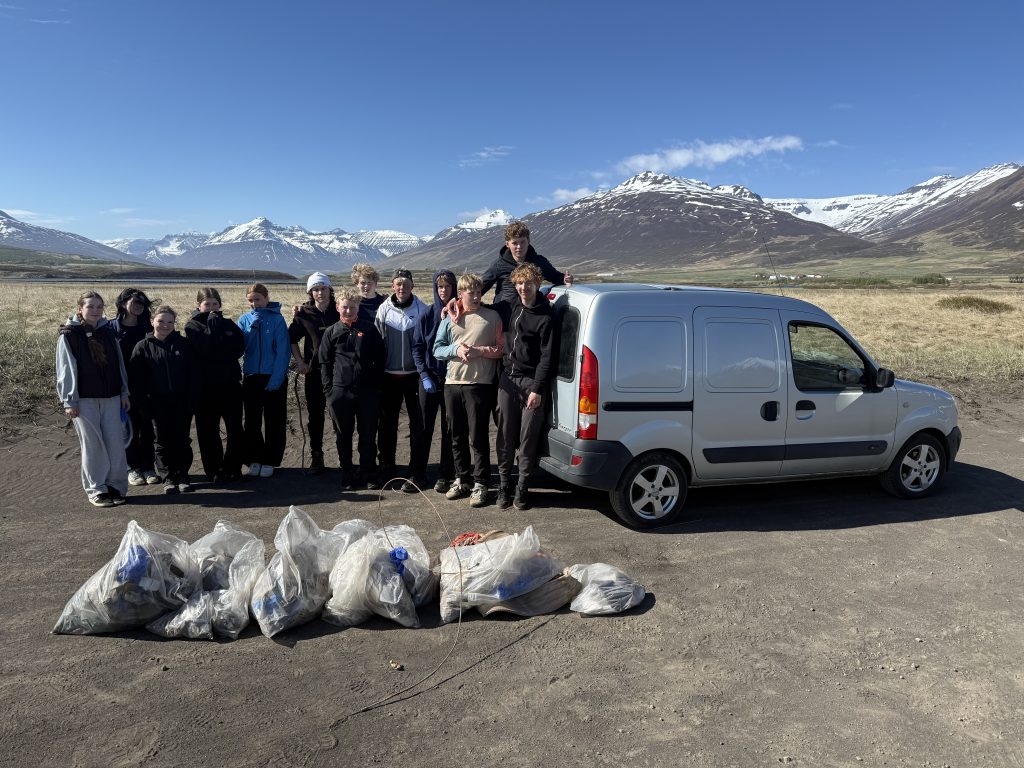
Coastal Cleaning 2026
Food processors around the world are under pressure to improve safety, reduce waste, streamline operations, and deliver consistent quality. Saeplast helps them do that with durable, hygienic, reusable material-handling solutions designed for the realities of food production.
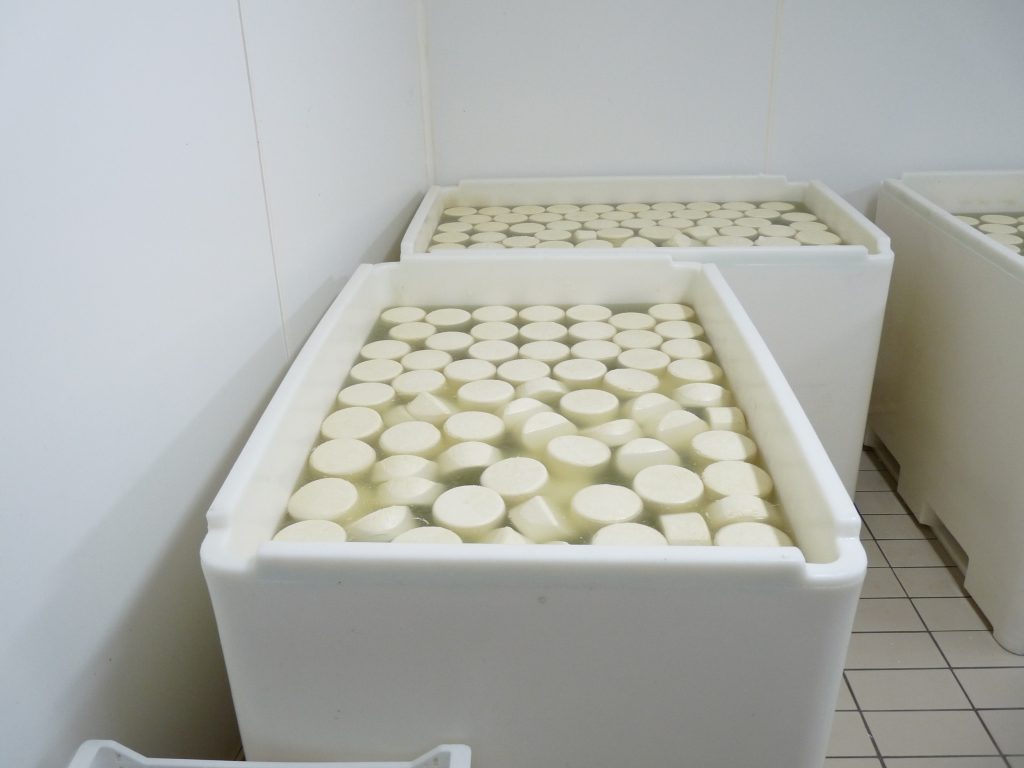
Solving Food Processing Pain Points Across Global Operations
Food processors around the world are under pressure to improve safety, reduce waste, streamline operations, and deliver consistent quality. Saeplast helps them do that with durable, hygienic, reusable material-handling solutions designed for the realities of food production.