



Solving Food Processing Pain Points Across Global Operations
Built for global food processing
Food processors around the world are under pressure to improve safety, reduce waste, streamline operations, and deliver consistent quality.
Saeplast helps them do that with durable, hygienic, reusable material-handling solutions designed for the realities of food production.
Different countries.
Different plants.
Different applications.
Similar pain points.
One standard: reliable Saeplast solutions built to help food processors solve real operational challenges.
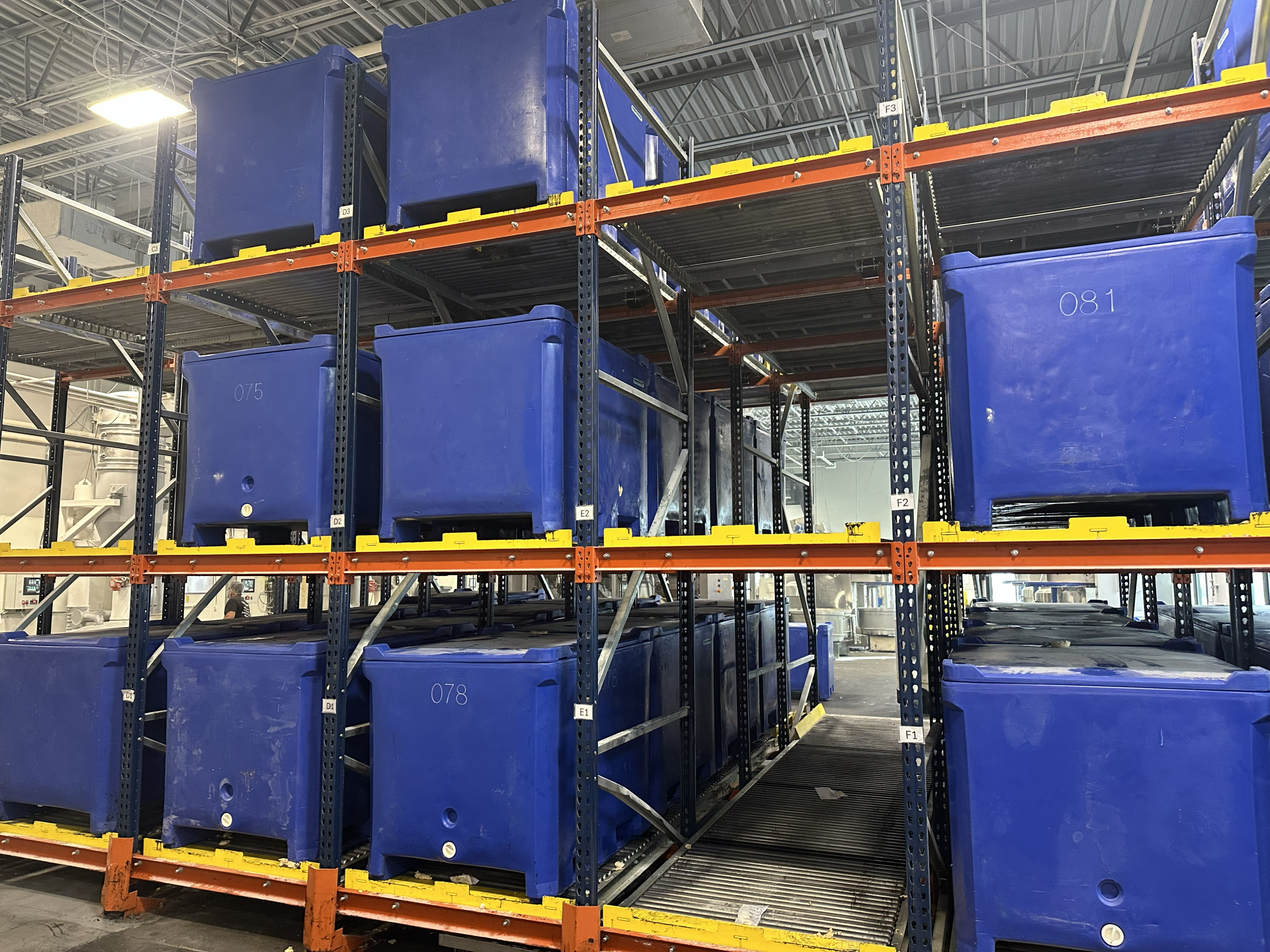
How Saeplast PE containers help food processors improve hygiene, flow, durability, and consistency
Food processing companies operate in demanding environments where small handling issues can create large operational problems.
A container that is difficult to clean can create sanitation concerns.
A damaged bin can increase foreign material risk.
A poorly fitted container can slow internal logistics.
A short-life handling solution can increase replacement cost and waste.
A weak waste-handling setup can create inefficiency, mess, and unnecessary risk.
For global food processors, these challenges can multiply across plants, countries, and product lines.
That is why choosing the right material-handling solution matters.
Saeplast PE containers are designed to help food processors solve real plant-floor pain points with durable, hygienic, reusable solutions built for daily use in demanding production environments.
Pain Point 1: Foreign material and contamination risk
Food processors work hard to reduce the risk of foreign material entering the production process.
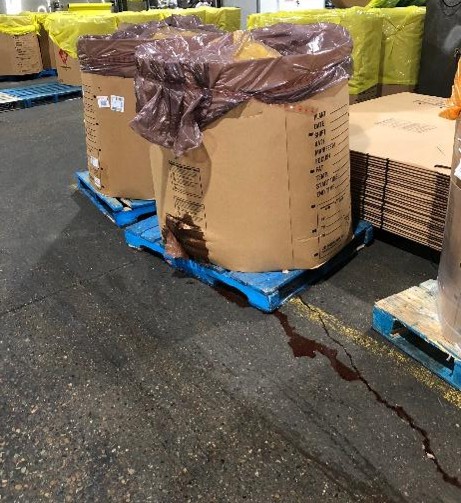
But sometimes, the handling equipment itself can become part of the problem. Lower-quality containers may crack, splinter, wear down, absorb liquid, or become difficult to clean over time. The use of poly bags that are required in some forms of containers like cardboard are a major form of foreign material risk along with wood splinters from wood pallets.
Saeplast PE containers help address this challenge with smooth, hygienic surfaces and durable construction designed for food processing environments.
For processors handling intermediate products, ingredients, rework, by-products, or waste streams, better container design can support a cleaner and more controlled process.
The result is not just a stronger container.
It is greater confidence in how product moves through the facility.
Pain Point 2: Hard-to-clean containers and sanitation pressure
Cleaning is a daily reality in food processing.
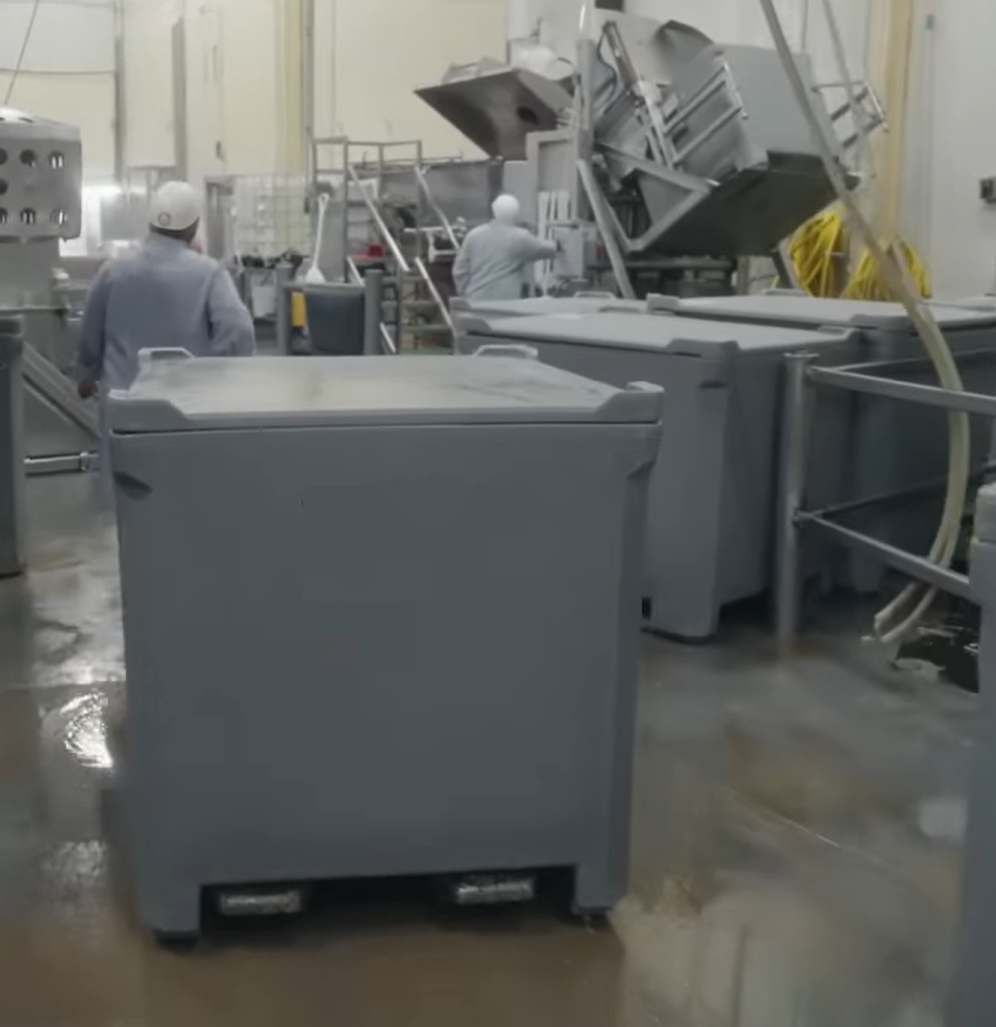
When containers have ribs, grooves, cracks, rough surfaces, or areas that trap product, sanitation becomes harder, slower, and less consistent. That can increase labor, water, detergent, sanitizer use, and inspection concerns.
Saeplast PE containers are designed to support easier cleaning with smooth, food-grade surfaces that reduce unnecessary complexity in the sanitation process.
For food processors, this matters because cleanability is not just a maintenance issue. It is part of food safety, production flow, and operational discipline.
A container that is easier to clean helps the plant run with more confidence.
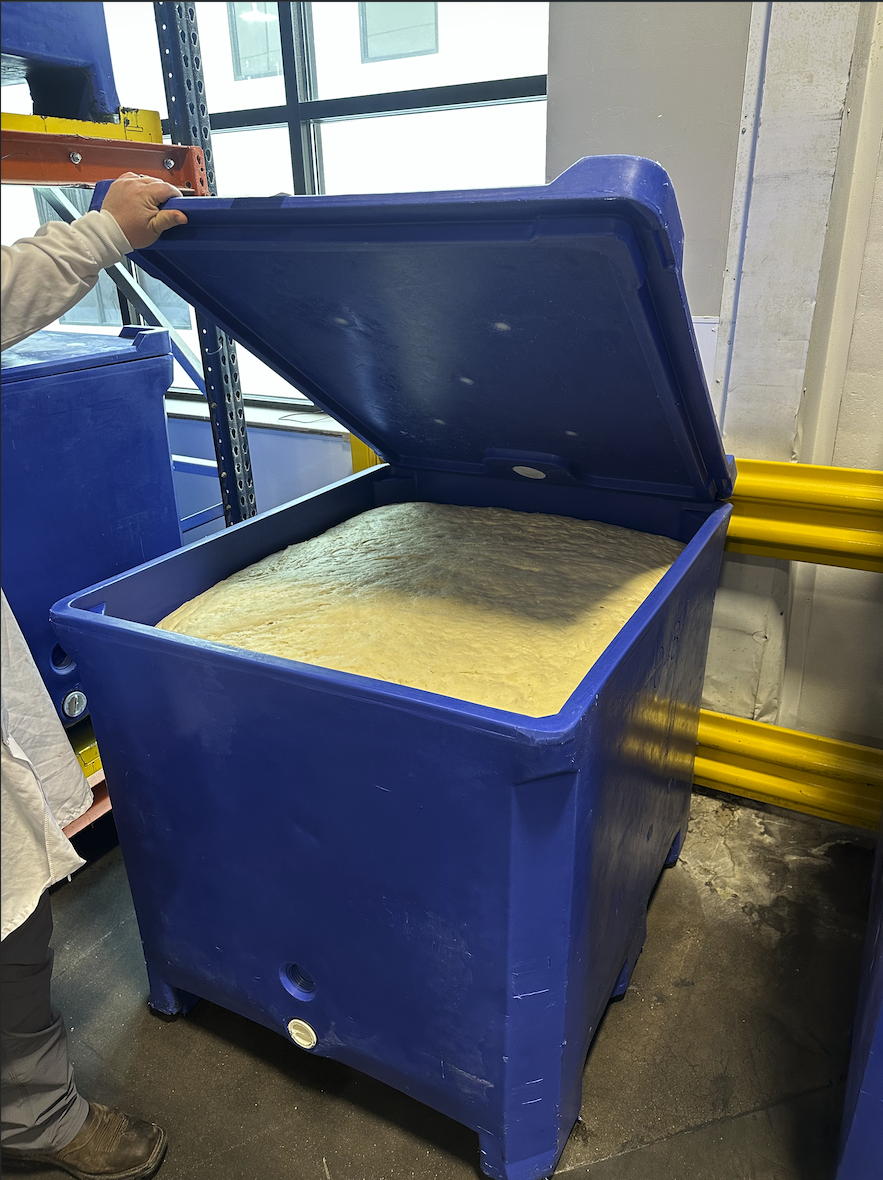
Pain Point 3: Internal logistics and product movement
Food processing plants are constantly moving materials.
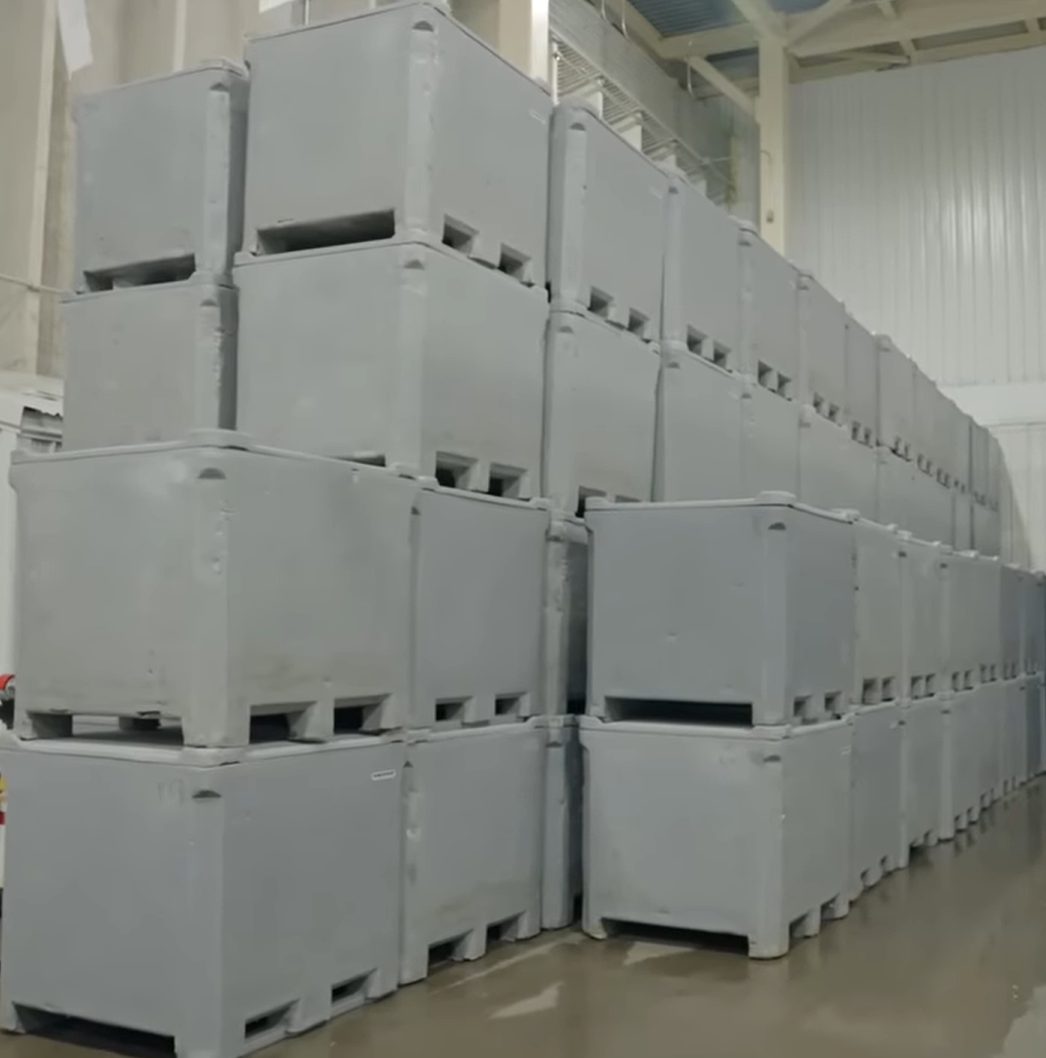
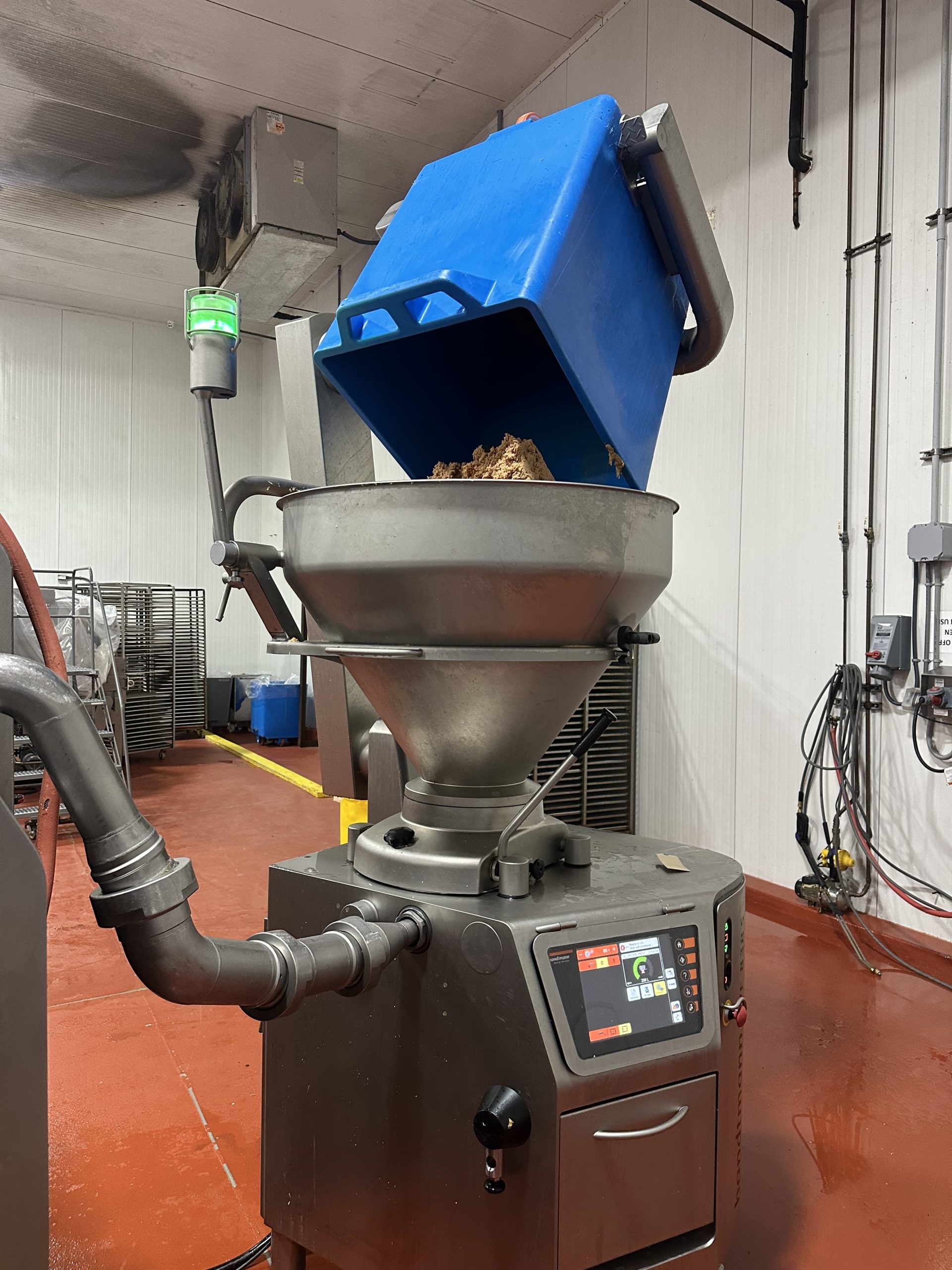
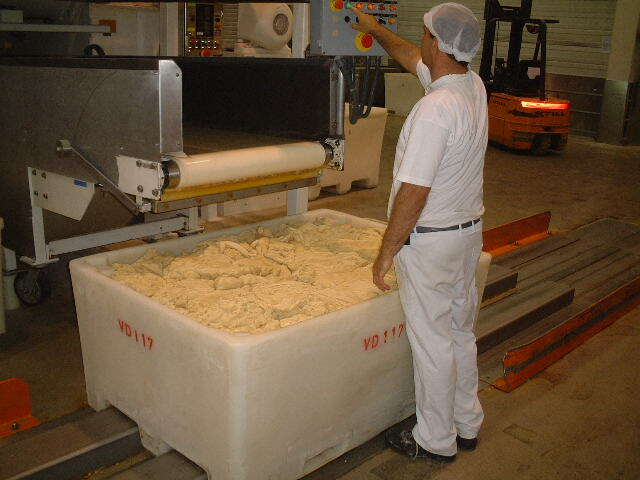
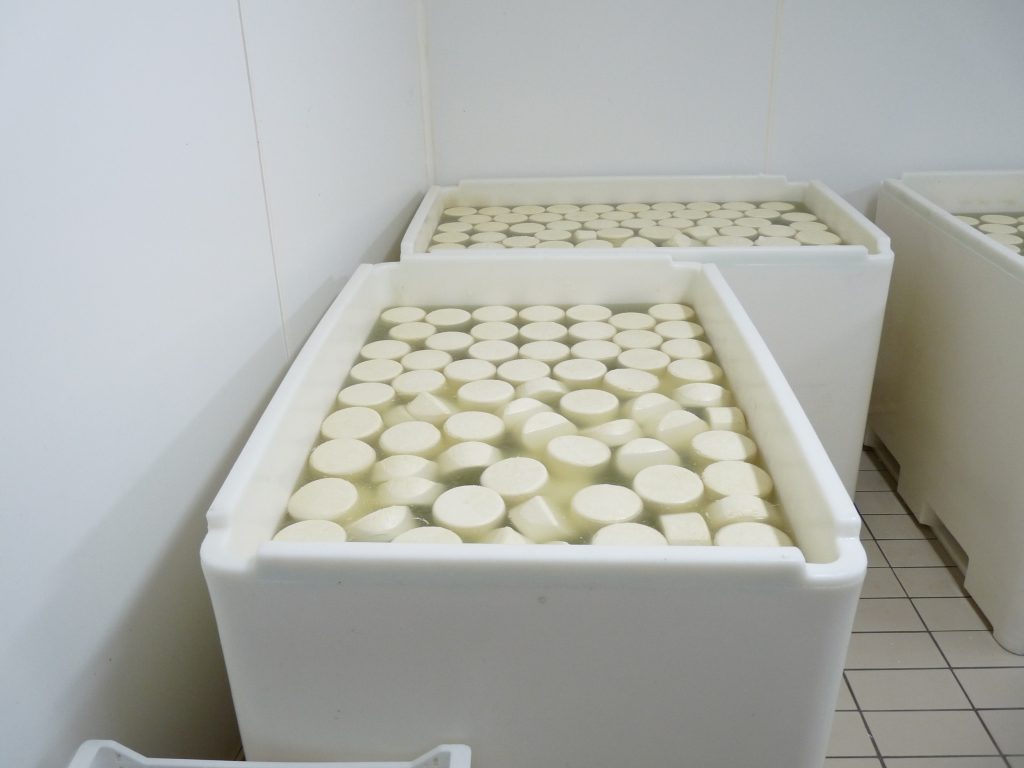
Ingredients, intermediate products, rework, by-products, packaging waste, and condemned material all need to move through the facility in a controlled and efficient way. In larger operations, containers may need to work with forklifts, pallet jacks, lifts, dumpers, conveyors, logistic trains, or other internal movement systems.
When containers do not fit the process, they create friction.
They slow down movement.
They require workarounds.
They create extra handling.
They make the plant less efficient.
Saeplast helps food processors match the container to the process.
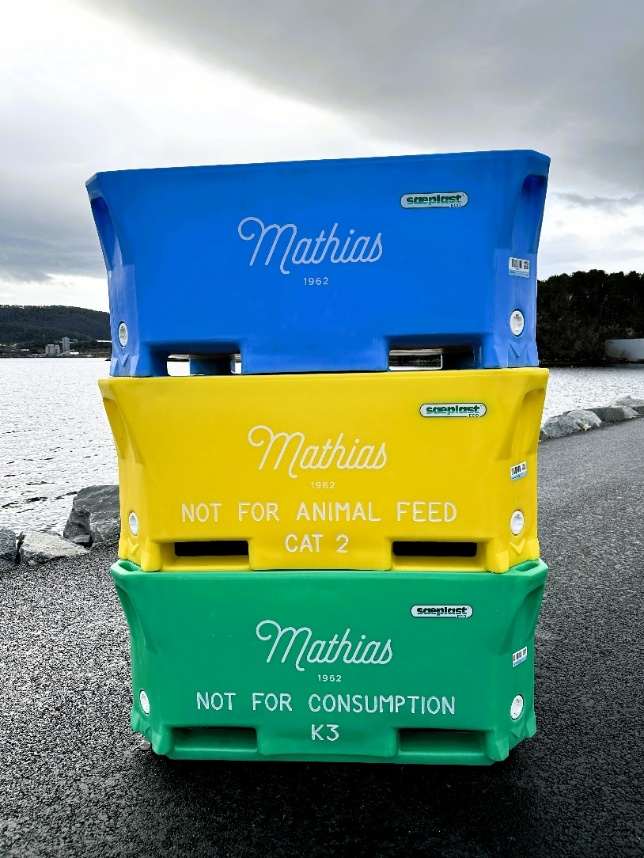
For some facilities, that may mean a standard PE container to ease congestion and allow for smooth flow. For others, it may require reusable lids, different colors to separate ingredients or material type or processing area are some advantage of Saeplast containers..
The goal is always the same: help food product(s) move through the plant with less friction, better hygiene, and greater reliability.
Pain Point 4: Waste streams that are messy, heavy, and demanding
Food processing waste is not always simple.
Some waste streams may be suitable for animal feed, by-product recovery, or further processing. Other waste may be condemned, packaged, floor waste, or material that must be handled separately.
In both cases, the container has to perform.
Waste-handling containers need to be strong, sanitary, easy to clean, and durable enough for daily plant-floor use. They may handle heavy loads, wet product, damaged product, packaged material, or material moving into digesters, rendering, animal feed, or disposal channels.
A smooth, heavy-duty PE container can help reduce problems associated with cracking, splintering, liquid absorption, difficult washing, or hard-to-clean areas.
For processors, better waste handling supports a cleaner, safer, and more efficient plant.
Pain Point 5: Short-life bins and replacement costs
In many plants, low-cost containers are not truly low cost.
If bins crack, deform, break, absorb contaminants, fail to stack properly, or need frequent replacement, they create ongoing cost and disruption.
The true cost is not only the purchase price.
It includes replacement cycles, downtime, cleaning issues, food safety risk, waste, labor, and the frustration of constantly managing damaged equipment.
Saeplast PE containers are built as durable reusable assets. They are designed to perform in tough environments and help processors move away from short-life handling products toward longer-term operating value.
That shift matters for companies focused on cost control, sustainability, and consistent plant performance.
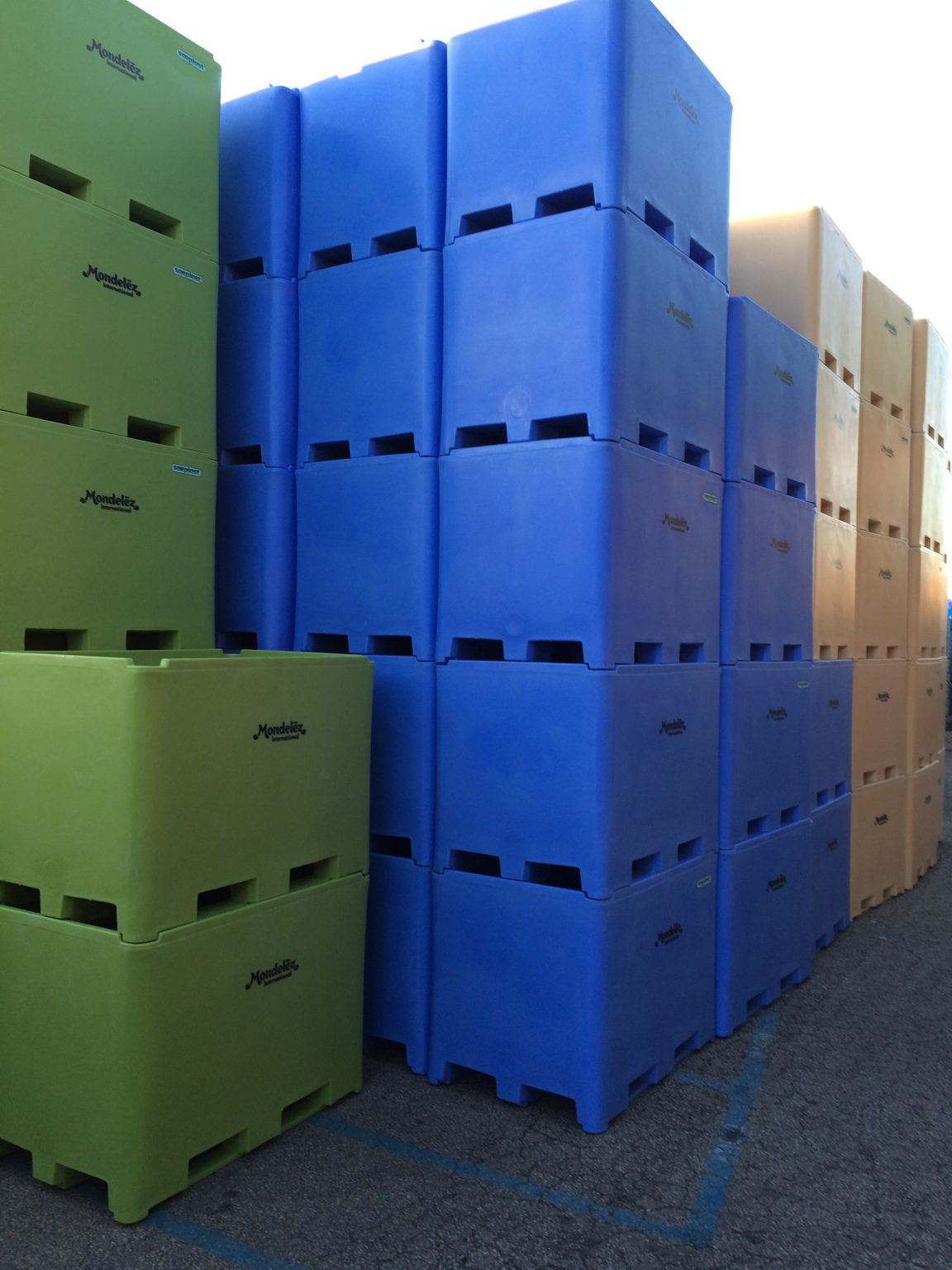
Pain Point 6: Different plants, different needs, one global standard
Global food processors often face similar challenges across multiple facilities, but each plant may need a slightly different solution.
One facility may need better intermediate product storage.
Another may need containers adapted to an internal logistics system.
Another may need stronger waste-handling containers.
Another may need improved cleanability and contamination control.
Another may need a durable reusable alternative to short-life bins.
Saeplast brings product range, material knowledge, and application experience to help solve these challenges across different sites and regions.
The value is global consistency with local problem-solving.
More than a container
For food processing companies, the value of Saeplast is not only in the container itself.
The value is in what the container helps improve:
- Cleaner handling
- Better hygiene control
- Reduced contamination risk
- Stronger internal logistics
More Like This:
We Build for the Future – and the Equipment Must Match
Food processors around the world are under pressure to improve safety, reduce waste, streamline operations, and deliver consistent quality. Saeplast helps them do that with durable, hygienic, reusable material-handling solutions designed for the realities of food production.
Coastal Cleaning 2026
Food processors around the world are under pressure to improve safety, reduce waste, streamline operations, and deliver consistent quality. Saeplast helps them do that with durable, hygienic, reusable material-handling solutions designed for the realities of food production.
Solving Food Processing Pain Points Across Global Operations
Food processors around the world are under pressure to improve safety, reduce waste, streamline operations, and deliver consistent quality. Saeplast helps them do that with durable, hygienic, reusable material-handling solutions designed for the realities of food production.