



Saeplast’s Role in Sustainable Fisheries: Preserving Oceans for Future Generations
Introduction:
In a world where environmental conservation is paramount, industries are continuously seeking ways to operate sustainably. The fishing industry, in particular, faces unique challenges in balancing the demand for seafood with the need to preserve marine ecosystems. Saeplast, a trailblazer in material handling solutions, plays a vital role in sustainable fisheries by providing innovative containers that safeguard the oceans for generations to come. In this blog, we delve into how Saeplast's containers contribute to sustainable fishing practices and the preservation of our precious marine environments.
The Challenge of Sustainable Fishing:
Sustainable fishing practices are essential to maintain the delicate balance of marine ecosystems. Overfishing, bycatch, and habitat destruction are ongoing concerns that threaten ocean health. To address these challenges, the fishing industry must adopt responsible and environmentally friendly methods.

Saeplast's Contribution to Sustainability:
Saeplast understands the critical role it plays in promoting sustainable fisheries. The company's commitment to eco-conscious solutions is evident in its range of containers designed for the fishing industry. These containers are engineered to minimize environmental impact while maximizing efficiency. Here are some highlights of Saeplast's solutions:
- Efficient Seafood Handling: There are some poor fish harvesting and handling techniques used today. It’s important to treat harvested seafood delicately as it will assist in preserving freshness. Saeplast containers are designed to reduce the need for excessive handling. This not only saves time but also maximizes fish quality and minimizes stress on marine life.
- Temperature Control: Saeplast's containers excel at maintaining optimal temperature conditions. This is crucial for preserving the quality of seafood during transport and storage, reducing spoilage, and minimizing waste.
- Reduction of Single-Use Packaging: By providing reusable containers, Saeplast reduces the reliance on single-use packaging materials, such as cardboard and plastic bags, which often end up polluting oceans.
- Minimal Environmental Footprint: Saeplast's containers are made from durable and recyclable materials, further reducing their environmental footprint.

Conclusion:
Saeplast is not just a provider of containers; it is a steward of sustainable fisheries and marine conservation. Through innovative design and a commitment to reducing environmental impact, Saeplast containers play a pivotal role in preserving the oceans for future generations. The company's dedication to eco-conscious solutions aligns with a collective responsibility to ensure that the world's oceans remain a source of nourishment and wonder for years to come. By choosing Saeplast containers, the fishing industry not only enhances efficiency but also takes a significant step toward sustainable practices that benefit our planet and safeguard the oceans for future generations of seafood lovers and environmental stewards.
More Like This:
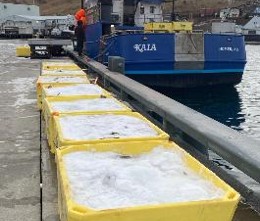
The Power of Controlled Batch Handling
For commercial whitefish harvesters, seafood processors, and distribution partners, the ultimate goal is clear: deliver the highest possible quality to the market while protecting bottom-line margins. However, whitefish quality isn't determined at the processing plant gate. It is won or lost during the very first hours on board the vessel.
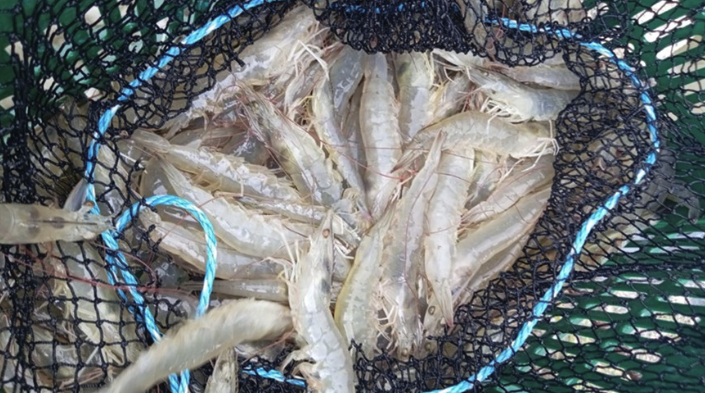
How Live-Handling Protocols and Sæplast Containers Unlock Premium Shrimp Margins
In the global Head-On Shell-On (HOSO) shrimp market, appearance isn’t just everything—it’s the difference between standard pricing and premium margins. Major importing regions like China, the United States, and Europe consistently assign the highest value to shrimp with dark, vibrant coloration (grades A3–A4), robust texture, and pristine cooking performance.
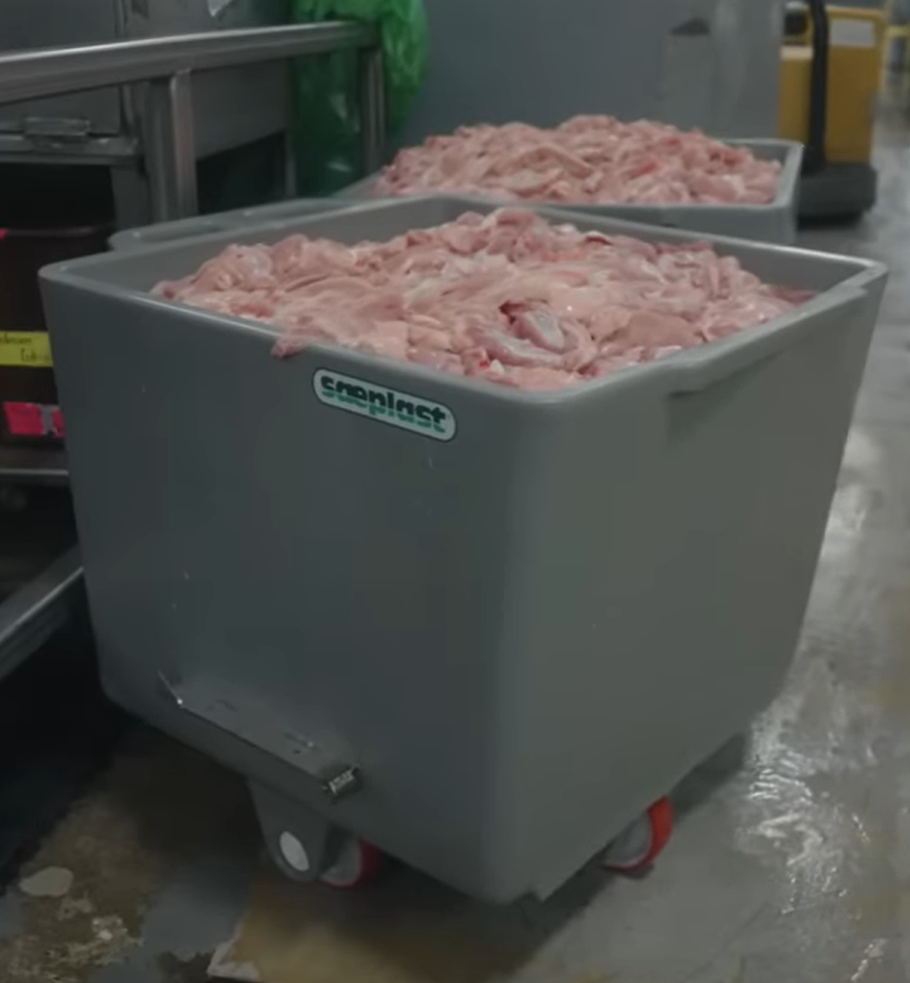
Solving Meat & Poultry Plant-Floor Pain Points
Meat and poultry processors are under pressure to move more product, meet tighter food safety expectations, reduce avoidable downtime, and improve working conditions on the plant floor.