



Sæplast Americas Inc. – Comparing PE Containers vs. Cardboard
If you're in the poultry, pork, seafood or red meat industries, then you've most likely noticed that a lot of your raw food materials are stored in something called “corrugated boxes” (i.e.: Cardboard). Corrugated boxes can be made to accommodate the volume of your raw food for movement within your plant. There are reasons why some people choose these corrugated boxes over other options, but there is more to consider than just convenience when it comes to handling your work in process.
One of the main challenges individuals face when using cardboard containers comes from trying to reuse this material after its initial use. In a food plant, cardboard containers are almost never able to be reused due to food safety rules associated with the risk of contamination. In comparison, PE polyethylene containers are strong, durable and 100% reusable in contrast.
The food safe materials used in manufacturing PE polyethylene containers allow direct food contact with the inside of the container whereas a throw away plastic liner must be used for food contact inside a corrugated cardboard container.

PE containers are of one piece construction versus the need of corrugated containers to have a wooden pallet to be used under them to allow for ease of moving.
The PE containers construction is smooth inside and outside of the box allowing for ease of transfer of product out of the container and allows for easy cleaning. Think about the contamination risk if wood fibers, staples that hold the cardboard containers together or pieces of cardboard themselves get into your food product. The entire container will not be usable for food consumption and thus creates a loss of revenue to your company.
Another extremely important feature of PE polyethylene containers is the fact they can be easily stacked safely inside your facility thus saving valuable floor space and allowing for a safer flow of traffic within the plant. This allows your employees to work in a more safe environment.

A very key consideration when considering corrugated cardboard containers is the added expense of the daily cost for purchase, assembly, tear down and disposal into landfill of them. PE polyethylene containers do not carry these concerns. When looking at a per day cost and examining your sustainability values, corrugated cardboard does not line up well against PE Containers.
So, which one is better?
The answer is it depends on your needs. If you're shipping something that doesn’t need to be returned then cardboard containers may be right for you. But, If reusability, sustainability, reducing landfill costs, employee safety and food safety are important to you, then PE containers are the best option.
Choose wisely.
More Like This:
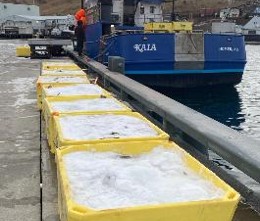
The Power of Controlled Batch Handling
For commercial whitefish harvesters, seafood processors, and distribution partners, the ultimate goal is clear: deliver the highest possible quality to the market while protecting bottom-line margins. However, whitefish quality isn't determined at the processing plant gate. It is won or lost during the very first hours on board the vessel.
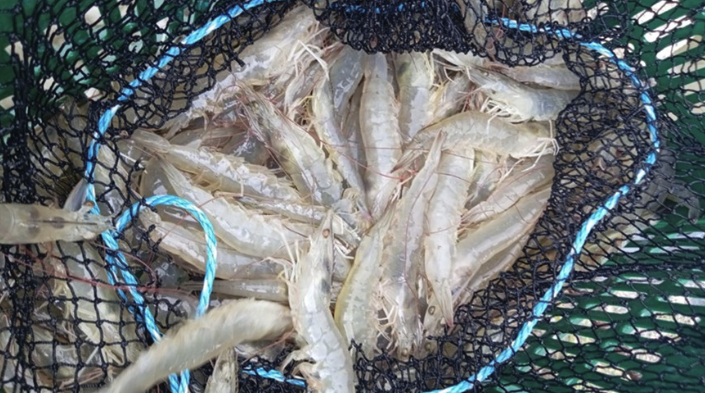
How Live-Handling Protocols and Sæplast Containers Unlock Premium Shrimp Margins
In the global Head-On Shell-On (HOSO) shrimp market, appearance isn’t just everything—it’s the difference between standard pricing and premium margins. Major importing regions like China, the United States, and Europe consistently assign the highest value to shrimp with dark, vibrant coloration (grades A3–A4), robust texture, and pristine cooking performance.
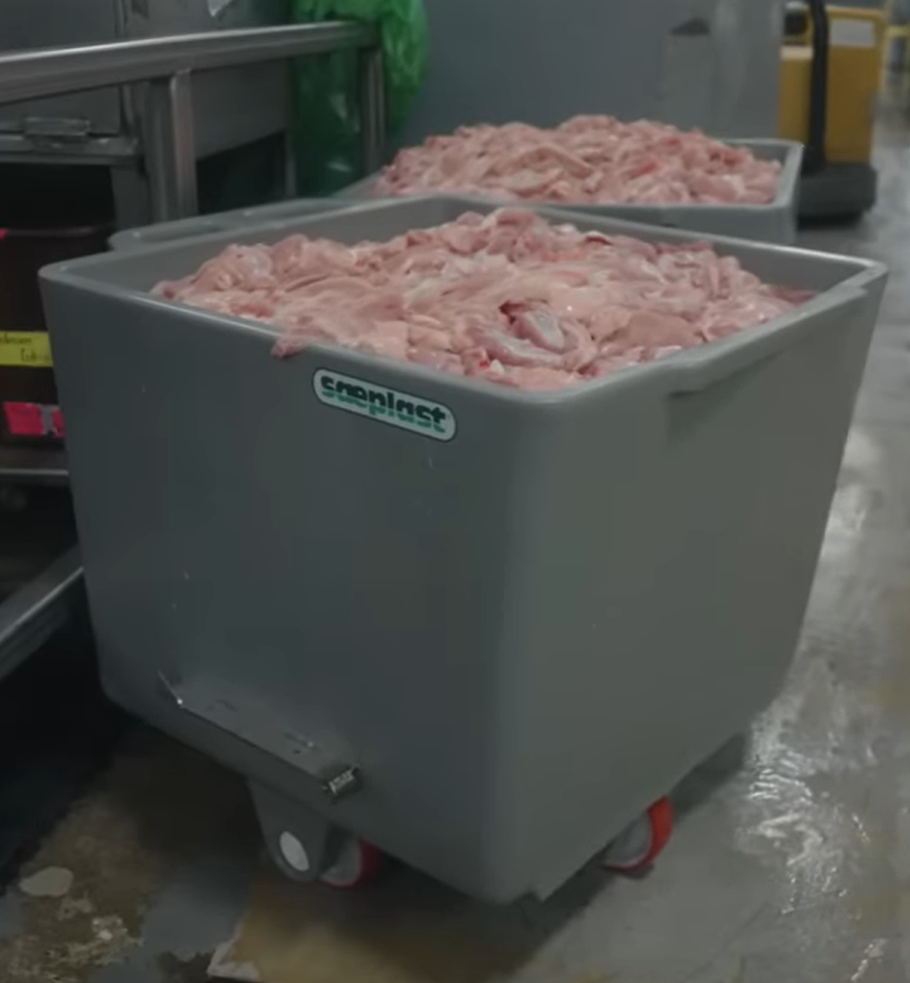
Solving Meat & Poultry Plant-Floor Pain Points
Meat and poultry processors are under pressure to move more product, meet tighter food safety expectations, reduce avoidable downtime, and improve working conditions on the plant floor.