


Strengthening Cold Chain Performance in Mexico: Acuícola Santa Fe Partners with Sæplast
A Partnership Built on Trust and Performance
In Los Mochis, Sinaloa, Acuícola Santa Fe operates in an environment where precision is the difference between profit and loss. In the world of aquaculture, maintaining strict cold chain conditions below 4°C is more than a guideline, it is critical to preserving product quality, texture, weight, and overall yield.
When evaluating container solutions, the team at Acuícola Santa Fe sought a partner who understood the technical nuances of temperature control and logistics reliability. Through close collaboration with Juan Carlos Calderon, Sæplast’s regional representative, the conversation shifted from simple product comparison to a deep dive into operational improvement.
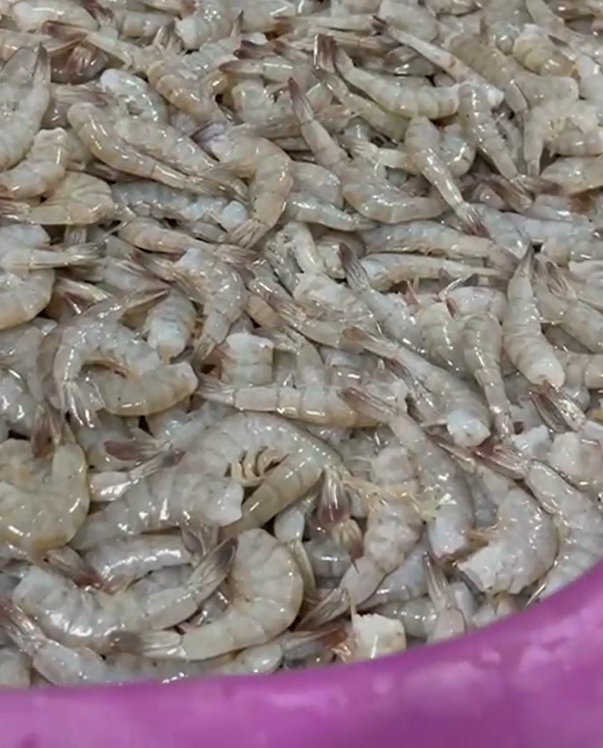
Why Cold Chain Integrity Matters
For seafood operations, even minor temperature fluctuations can have a cascading negative effect on the bottom line. Without reliable thermal protection, companies often face:
- Accelerated product degradation and reduced shelf life.
- Compromised texture and visual quality.
- Unnecessary weight loss and increased ice usage to compensate for thermal leaks.
By maintaining consistent internal temperatures below 4°C, Acuícola Santa Fe ensures better freshness, higher quality upon delivery, and significantly improved yield. Sæplast containers are specifically engineered with superior thermal performance and structural integrity to maintain this stability throughout transport
The Monterrey Advantage: Proximity Meets Quality
One of the most significant shifts for Acuícola Santa Fe was Sæplast’s move to local manufacturing in Monterrey, Mexico. This changed the relationship from a distant supplier to a responsive local partner.
Local production in Mexico provides:
- Reliable delivery timelines aligned with operational schedules.
- Reduced logistical complexity and faster technical follow-up.
- Closer collaboration for ongoing performance refinement.
Durability That Supports Yield
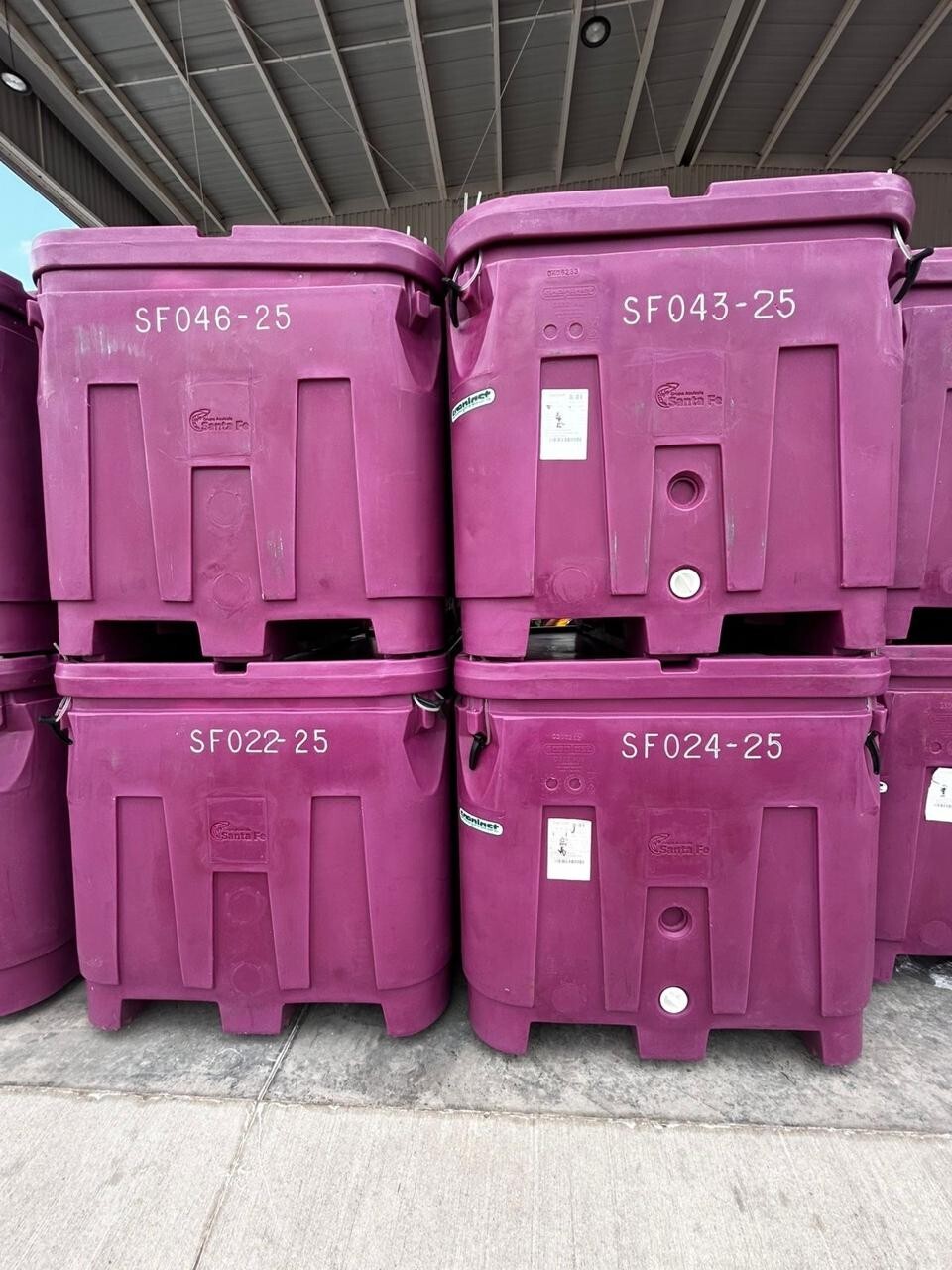
Beyond keeping things cold, a container must survive the journey. Sæplast containers offer high structural strength under heavy loads and consistent wall thickness for thermal stability.
For Acuícola Santa Fe, a stronger container means a reduced risk of damage during handling, more stable stacking, and a reduced dependency on excess ice.
In short: improved temperature consistency translates directly into better product quality and stronger yield outcomes.
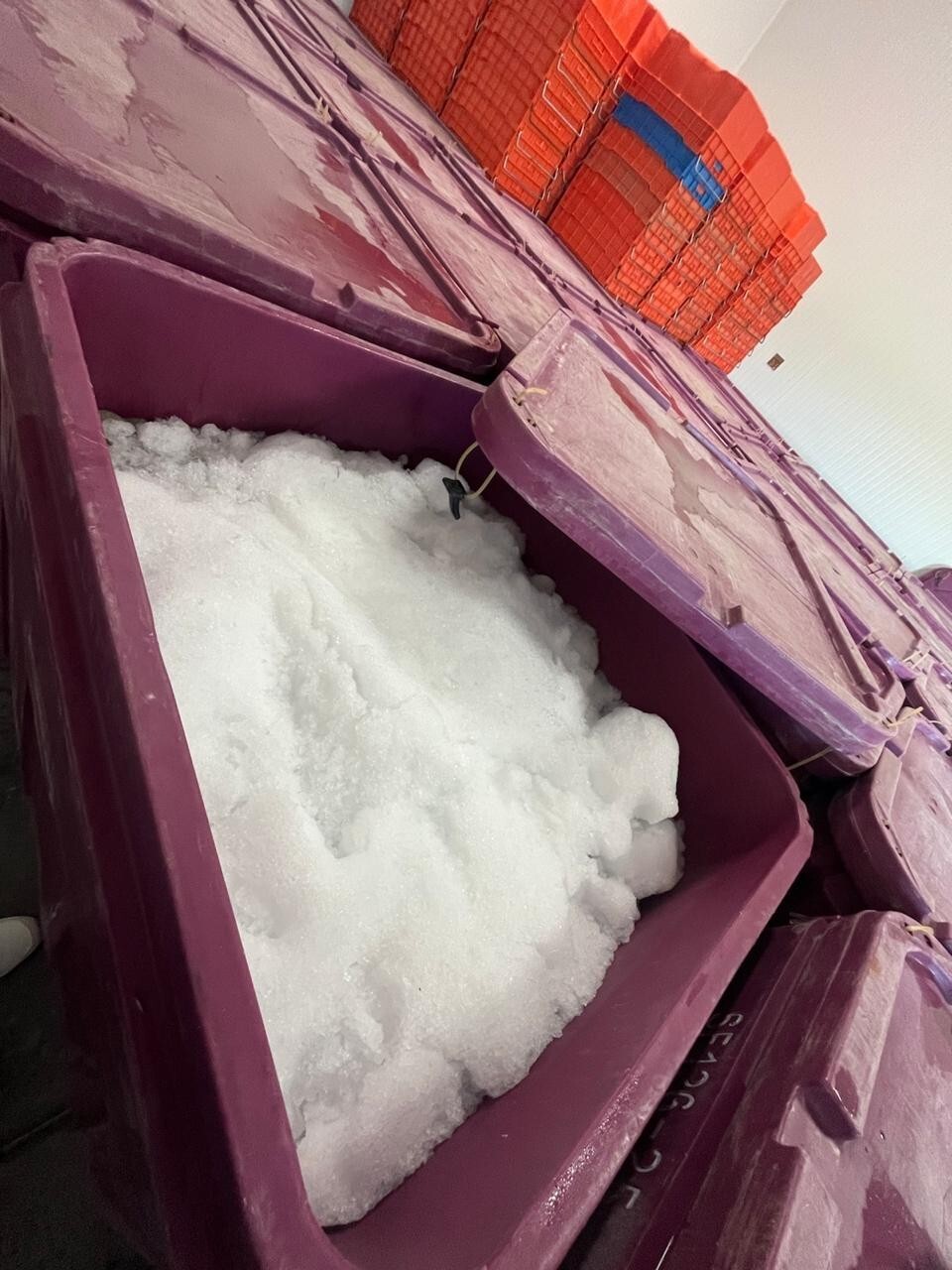
The Result
Today, Acuícola Santa Fe benefits from a solution aligned with the technical realities of Mexico’s aquaculture industry. Supported by Juan Carlos Calderon and the Monterrey plant, they have achieved:
- Enhanced temperature control consistently below 4°C.
- Greater transport durability and reduced ice dependency.
- Responsive local support and improved preservation.
At Sæplast, we don't just provide containers, we provide the security that your product will arrive exactly as intended. Built locally, delivered reliably, and engineered for performance.
More Like This:
The Power of Controlled Batch Handling
For commercial whitefish harvesters, seafood processors, and distribution partners, the ultimate goal is clear: deliver the highest possible quality to the market while protecting bottom-line margins. However, whitefish quality isn't determined at the processing plant gate. It is won or lost during the very first hours on board the vessel.
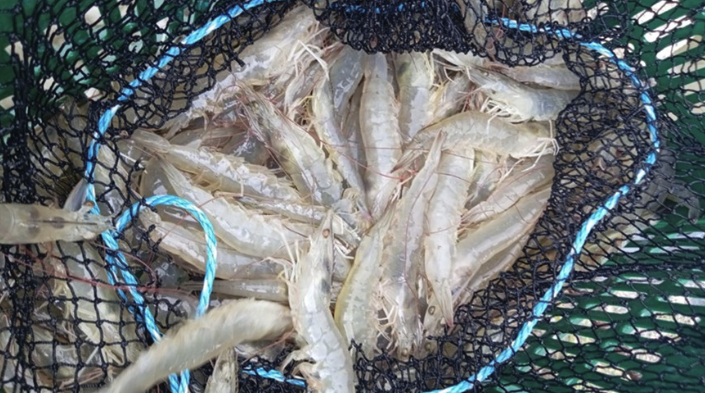
How Live-Handling Protocols and Sæplast Containers Unlock Premium Shrimp Margins
In the global Head-On Shell-On (HOSO) shrimp market, appearance isn’t just everything—it’s the difference between standard pricing and premium margins. Major importing regions like China, the United States, and Europe consistently assign the highest value to shrimp with dark, vibrant coloration (grades A3–A4), robust texture, and pristine cooking performance.
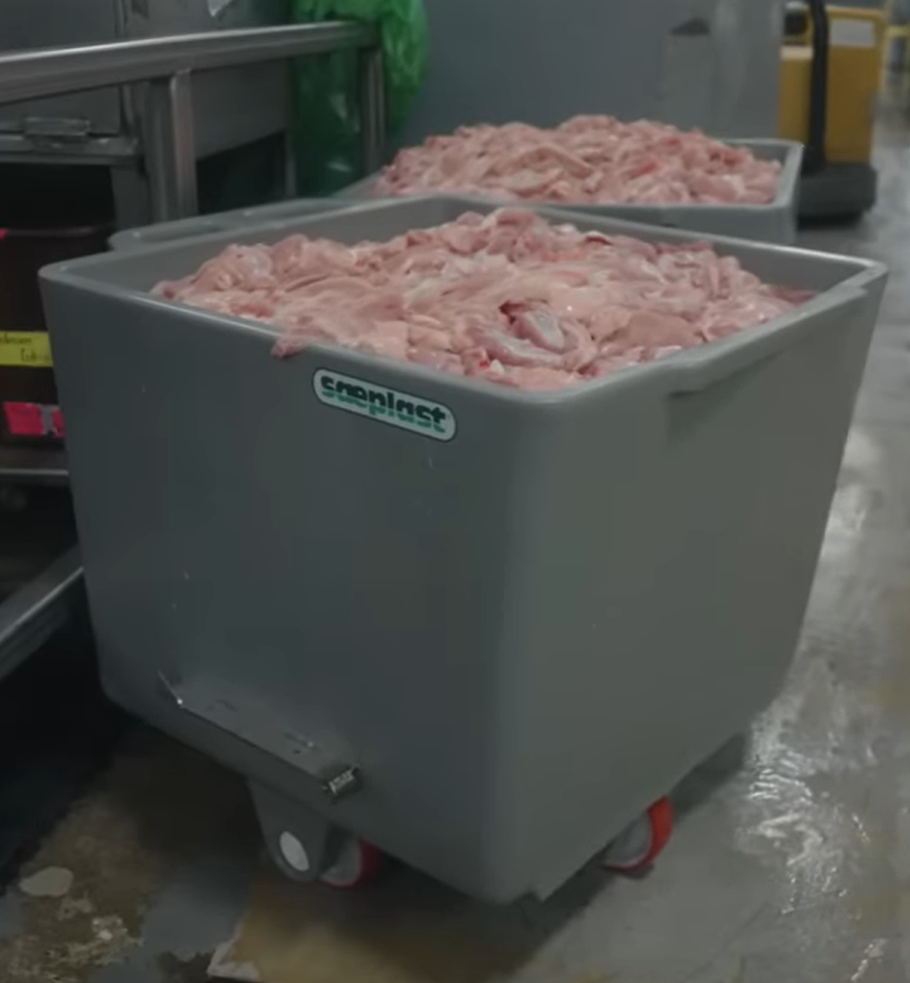
Solving Meat & Poultry Plant-Floor Pain Points
Meat and poultry processors are under pressure to move more product, meet tighter food safety expectations, reduce avoidable downtime, and improve working conditions on the plant floor.