

Waste & Recycling
Sæplast insights · Waste & recycling
Waste and Recycling Containers: A Practical Guide to Better Material Handling
Efficient recycling starts before material reaches a sorting line. It starts where waste is collected, separated and moved.
A container connects those stages. It needs to suit the material, withstand repeated handling and return to service without holding up the next collection. Get that choice right and it becomes easier to organise the work around it.
This guide explores how to choose and manage reusable waste and recycling containers, with practical considerations for cleaner material streams, reliable handling and long-term value.
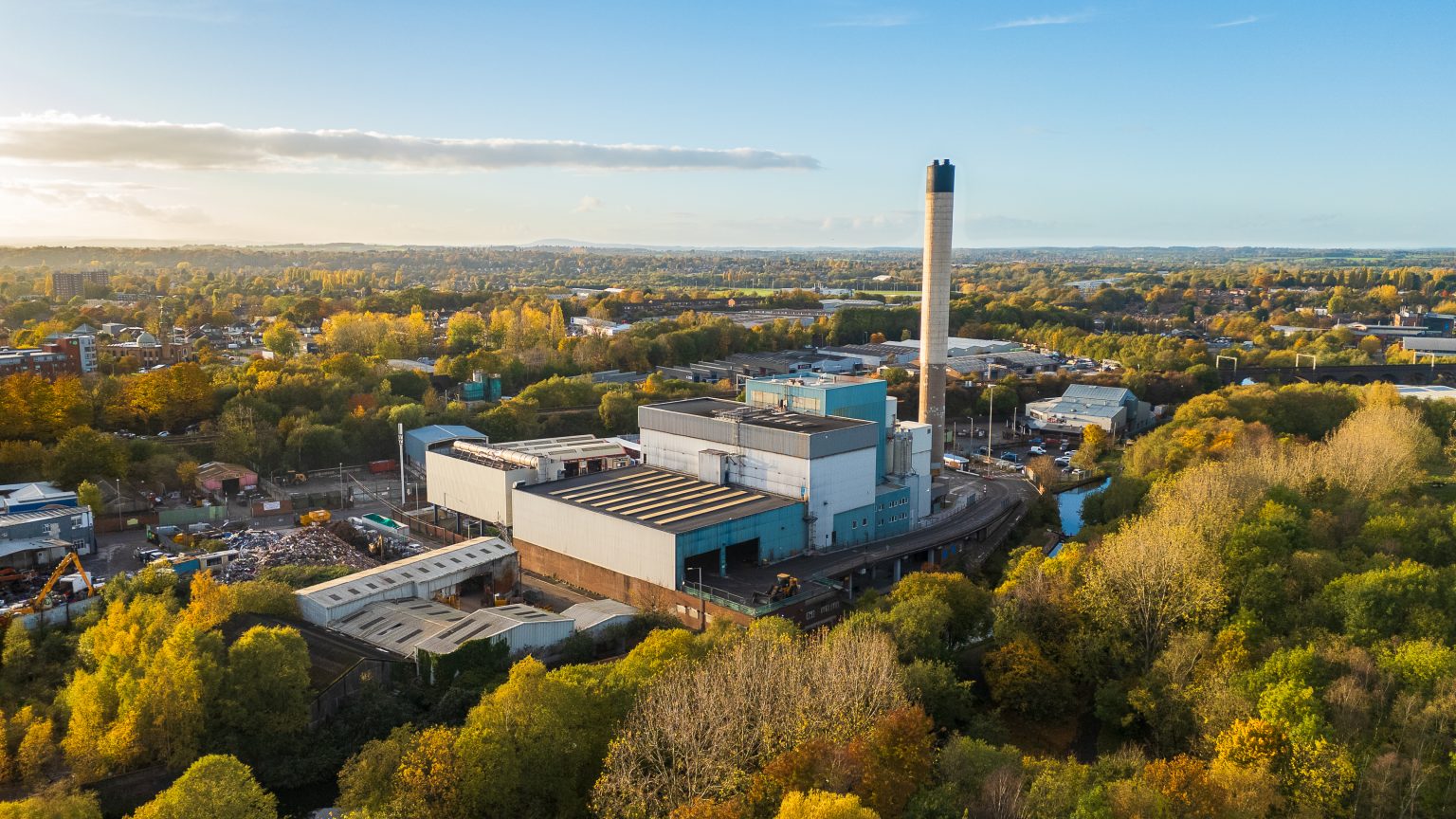
What are waste and recycling containers used for?
Reusable industrial containers provide a defined place to collect, hold and move materials between operations. Depending on the selected model and application, this can include production offcuts, separated packaging, organic residues or other recoverable materials.
The important distinction is the material stream. A container used for dry packaging has different demands from one carrying wet residues or dense industrial by-products. Volume alone does not tell you whether it is the right fit.
Start by mapping the route from the point of generation to collection, emptying, cleaning and return. The container should work across that whole cycle.
1. Protect the value of separated materials
A recycling stream is only as useful as the material entering it. Incorrect items, residual liquids or mixed waste can create extra sorting work and affect whether a load meets the receiving facility’s requirements.
Make the intended contents obvious at the point of disposal. Combine a written material description with simple illustrations and a consistent colour system. Colour is a useful prompt, but it should not be the only instruction.
- Place the correct container close to where each material is generated.
- Show common permitted items and common mistakes on the label.
- Agree the acceptance criteria with the collection or recovery partner.
- Keep containers assigned to streams where cross-use could introduce unwanted residues.
For example, a packaging area could separate clean film from cardboard at source, rather than asking a downstream team to sort a mixed load. The value comes from a clear routine that people can follow during a busy shift.

2. Choose for the load, not just the litres
Two containers with the same volume can carry very different loads. Lightweight packaging may fill the available space quickly, while dense residues can reach a permitted working load before the container looks full.
Define the expected material, maximum contents weight and normal fill level before choosing a model. Include moisture, particle size, sharp edges, temperature and any chemical contact in the discussion. These details affect suitability and day-to-day performance.
Check the container’s rated load, the capacity of the handling equipment and the limits of the complete movement route. Use the most restrictive applicable limit when planning the operation.
Specialist streams, including hazardous waste, batteries and aerosols, need a separate suitability assessment. An ordinary reusable tub should not be assumed suitable or approved for those applications. Confirm the exact container, configuration and any required approvals before selection.
3. Make collection, emptying and return work together
A durable container only improves efficiency if the rest of the process can handle it. Check access through doorways, space at collection points, forklift engagement and the method used to empty the contents.
Where a tipper or lifting attachment is involved, confirm compatibility with both equipment suppliers. Forklift access does not automatically establish suitability for every lifting or tipping system.
Plan the return journey as carefully as the full movement. A designated area for empty, inspected containers helps teams see what is ready for use. Keep damaged or uncleared containers separate so they cannot re-enter circulation by mistake.
Consider the complete task when assessing ergonomics: filling height, reach, lid handling, movement and emptying. The aim is to reduce unnecessary handling and awkward work through appropriate equipment and layout.
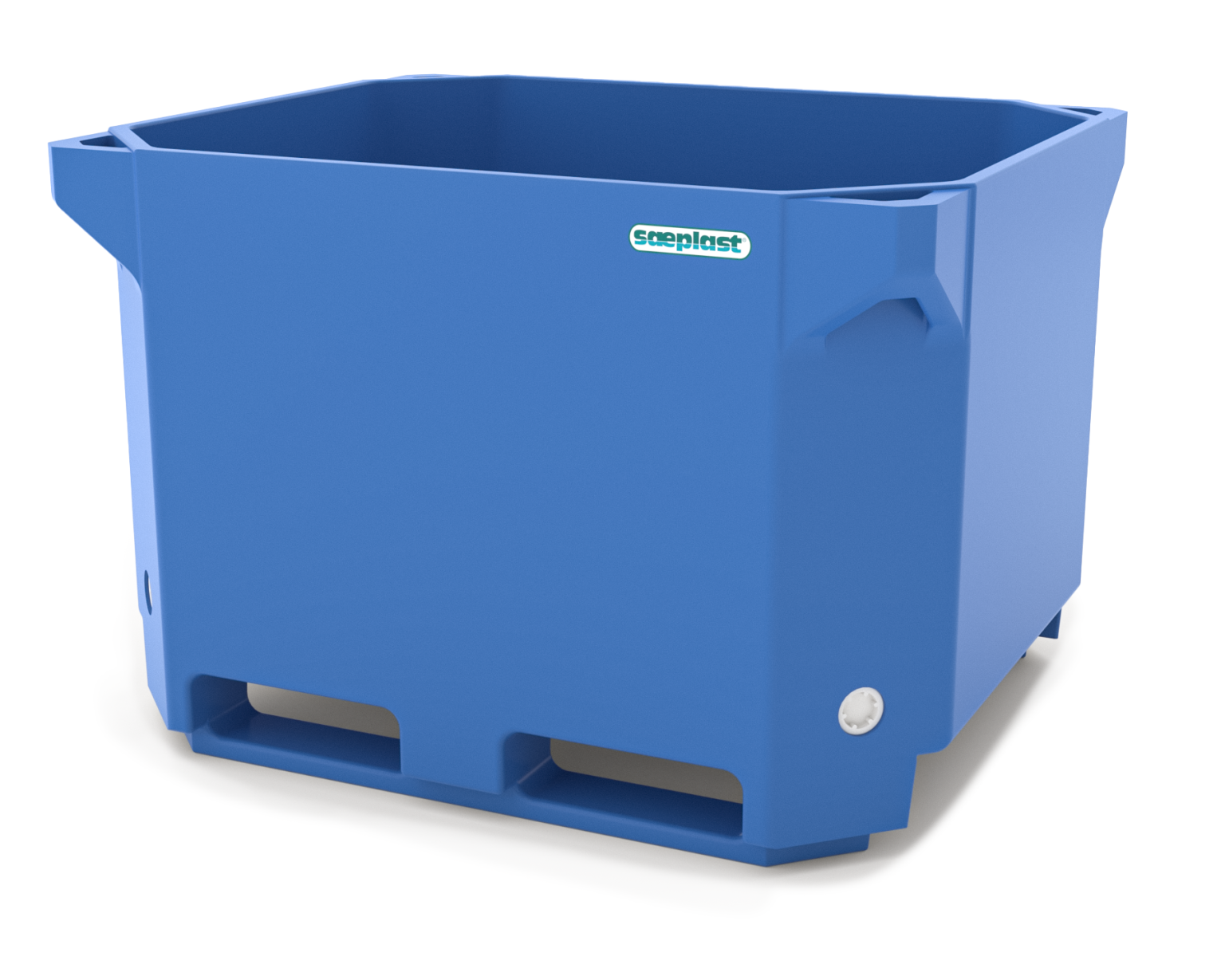
4. Use stacking as part of a measured space plan
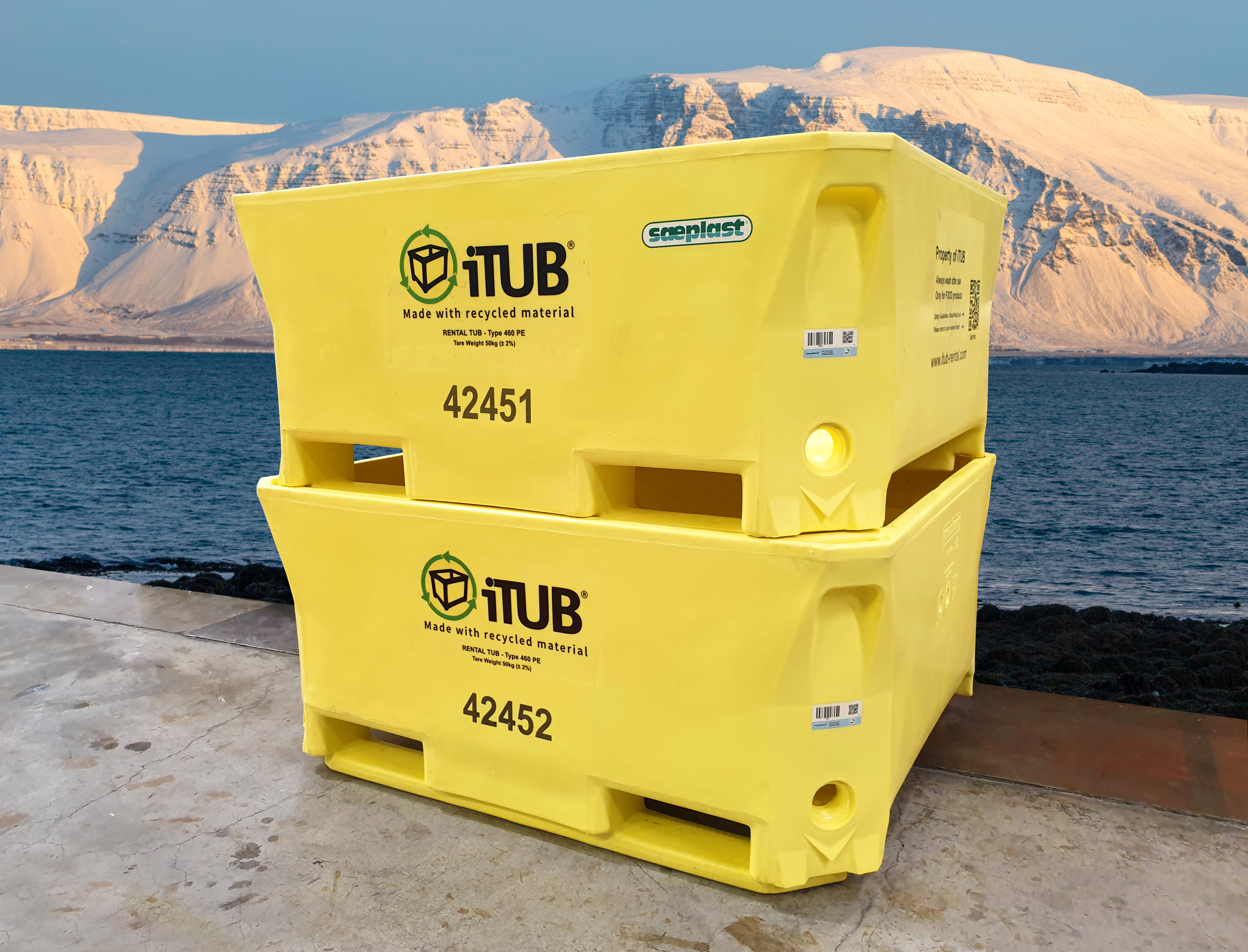
Stackable designs can help organise storage and transport, but the benefit depends on the selected containers and how the site uses them. Measure the footprint of full loads, empty returns, wash areas and temporary holding space.
Confirm which models may be stacked together, whether a particular lid is required and the permitted conditions for loaded and empty stacks. Follow the manufacturer’s instructions and the site’s handling procedures. Do not assume that similar-looking tubs are compatible.
Keep collection routes and working areas accessible. A compact stack is only useful when staff can retrieve the next container without moving several others first.
Before forecasting transport savings, compare actual vehicle layouts, payload, collection frequency and empty-return arrangements. The result should be based on your route, rather than a general percentage.
5. Build cleaning into the collection cycle
For wet or organic waste, a container’s return condition matters as much as its emptying time. Residues left between uses can create odour and hygiene problems. For dry recyclables, unwanted moisture or carry-over from a previous load may also be an issue.
Set cleaning requirements around the contents and intended next use. Specify the cleaning method, compatible chemicals, drainage or drying needs and the checks required before release. Keep clean containers away from unprocessed waste where the site layout requires separation.
Suitable lids can help protect contents or limit exposure, but the function depends on the lid and container combination. Do not assume a covered container is airtight or leakproof.
In food-processing environments, make waste equipment clearly distinguishable from containers used for ingredients or finished products. A robust container supports good routines; it does not replace them.
6. Measure value across the working life
Purchase price is one part of the cost. Cleaning time, handling effort, repairs, replacements, lost containers and collection delays also affect the result.
Sæplast’s waste and recycling range includes durable PE solutions designed for repeated industrial handling. Choose the construction and configuration around the application, then track how it performs in your operation.
- Inspect impact areas, fork openings, bases, rims and accessories regularly.
- Remove damaged containers from service for assessment.
- Ask about repair options before assuming replacement is the only route.
- Record repairs, losses and completed collection cycles.
A useful comparison is cost per completed cycle: purchase and operating costs over the same period, divided by the number of successful uses. This gives purchasing and operations teams a shared measure of value. It also makes recurring damage easier to investigate.
Find out more about Sæplast repair services and the options available for your containers and location.
7. Plan the container’s own end-of-life route
A recycling operation should also consider what happens to its collection equipment. Keeping a suitable container in service through repeated use and appropriate repair can reduce the need for replacement. Its next destination still needs a plan.
Sæplast offers recycling services for end-of-life containers. Discuss eligibility, collection arrangements and preparation requirements with your local team. Confirm the construction of the actual model, including any different materials or accessories, before making a recyclability claim.
Recyclable material does not guarantee that every local facility will accept a used container. Previous contents, contamination and the available processing route all matter. Agree those details before disposal.
See Sæplast’s container recycling service for an introduction to recovery and reprocessing.
A practical checklist before you choose
Give your Sæplast contact a clear picture of the operation:
- Material: the stream, moisture content, density and any special compatibility requirements.
- Load: typical and maximum contents weight, fill level and collection frequency.
- Movement: forklifts, pallet trucks, tippers, access restrictions and transport arrangements.
- Storage: available floor space and the required stacking configuration.
- Return: cleaning, inspection, identification and empty-container availability.
- Lifecycle: expected usage, repair arrangements and the end-of-life route.
The best container choice supports the collection system you actually operate. Clear specifications make it easier to compare options and avoid compromises later.
Your questions answered
Frequently Asked Questions About Waste and Recycling Containers
What should I look for in waste and recycling containers?
Start with the material stream, maximum load and handling method. Then check compatibility, cleaning, lids, stacking instructions and the route back into service.
Can one container type handle every waste stream?
No. Different contents create different demands. Check the specific model and configuration against the material, temperature, load and contact conditions. Dedicated containers may be appropriate for some streams.
How can containers help reduce recycling contamination?
Clearly labelled collection points and consistent allocation can make correct separation easier. Combine them with staff guidance and the acceptance criteria of your recovery partner.
Are Sæplast containers forklift-compatible?
Many models offer fork access. Confirm the selected model’s handling instructions, load limits and compatibility with the equipment used on your site.
Can waste containers be stacked when full?
Only where the specific model and configuration permit it. Follow the applicable load and stacking instructions, including any lid requirements. Empty-stack limits are not a substitute for loaded-stack limits.
Can Sæplast containers be used for hazardous waste?
Suitability must be established for the specific waste, container and intended handling or transport conditions. Do not assume a general-purpose tub has the necessary compatibility or approvals.
Does a lid make a container leakproof?
Not necessarily. Lids and closures have different functions. Confirm the required containment performance for the complete container, including any drain fittings.
Are Sæplast waste containers recyclable?
Recycling options depend on the model’s construction, condition, previous contents and the available recovery route. Ask Sæplast about eligibility and preparation for its recycling service.
How can we assess whether reusable containers reduce costs?
Track purchase, handling, cleaning, repair, loss and replacement costs against completed collection cycles. Compare options using the same operating assumptions and measurement period.
How many containers does a site need?
Include containers being filled, awaiting collection, in transit, being emptied, cleaned or inspected, and ready for return. Allow for dedicated streams, peak demand and maintenance.
Build a more reliable waste-handling operation
Tell us what you collect, how it moves and where your current containers fall short. Our team can help you assess Sæplast solutions for your material streams, handling equipment and daily workload.
More Like This:

Waste & Recycling Containers: Industry Guide
Food processors around the world are under pressure to improve safety, reduce waste, streamline operations, and deliver consistent quality. Saeplast helps them do that with durable, hygienic, reusable material-handling solutions designed for the realities of food production.
Pet Food Processing Containers: Handling Guide
Food processors around the world are under pressure to improve safety, reduce waste, streamline operations, and deliver consistent quality. Saeplast helps them do that with durable, hygienic, reusable material-handling solutions designed for the realities of food production.
Food Processing Containers: Ingredient Handling
Food processors around the world are under pressure to improve safety, reduce waste, streamline operations, and deliver consistent quality. Saeplast helps them do that with durable, hygienic, reusable material-handling solutions designed for the realities of food production.