



A Saeplast Sustainable and Reusable Solution for Caleta Bay
Sustainability and reusability are at the core of Saeplast's mission as we work hand-in-hand with customers to develop solutions that are both environmentally responsible and economically viable. This commitment is exemplified in our partnership with the Chilean salmon company Caleta Bay. Through the use of Saeplast's innovative logistics bins and a forward-thinking renting model, Caleta Bay has discovered a way to balance efficiency with sustainability in their operations.
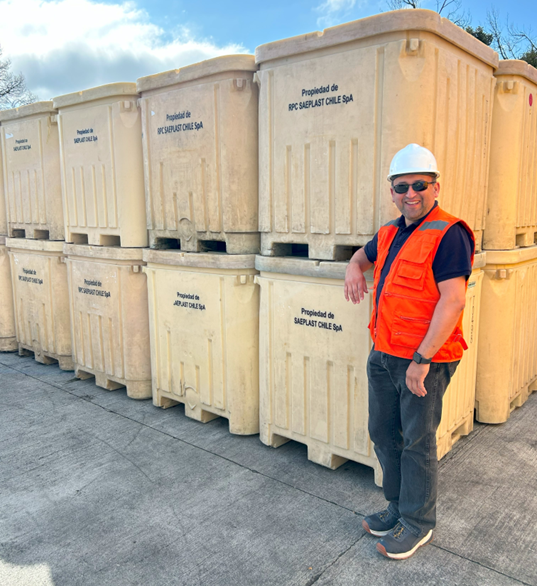
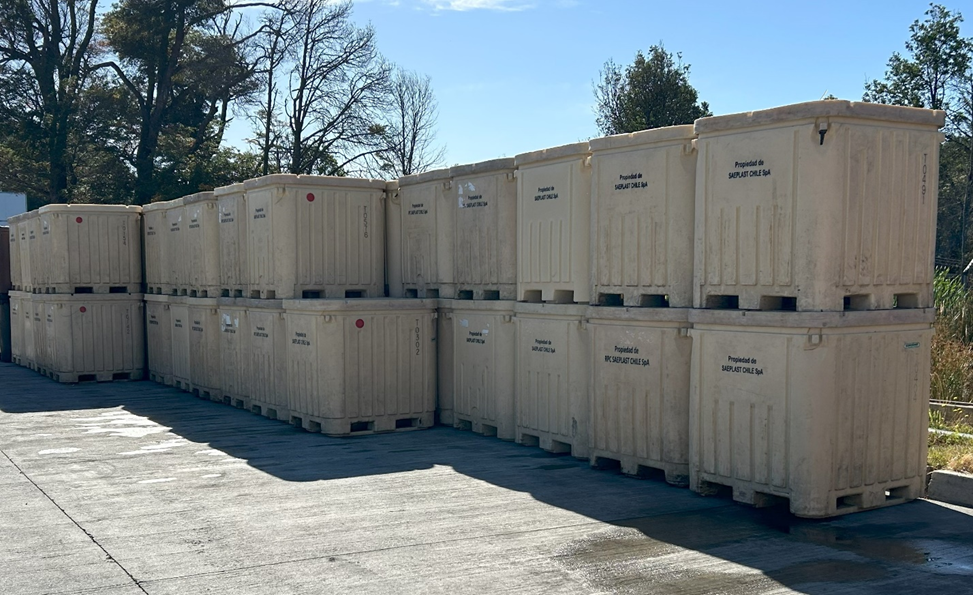
Saeplast bins are among the most durable and robust bins in the world today with a life span of 10-15 years. Compared to the 1–2-year life span of local provider bins, the Saeplast bins solve many pain points for Caleta Bay.
A Sustainable Renting Model
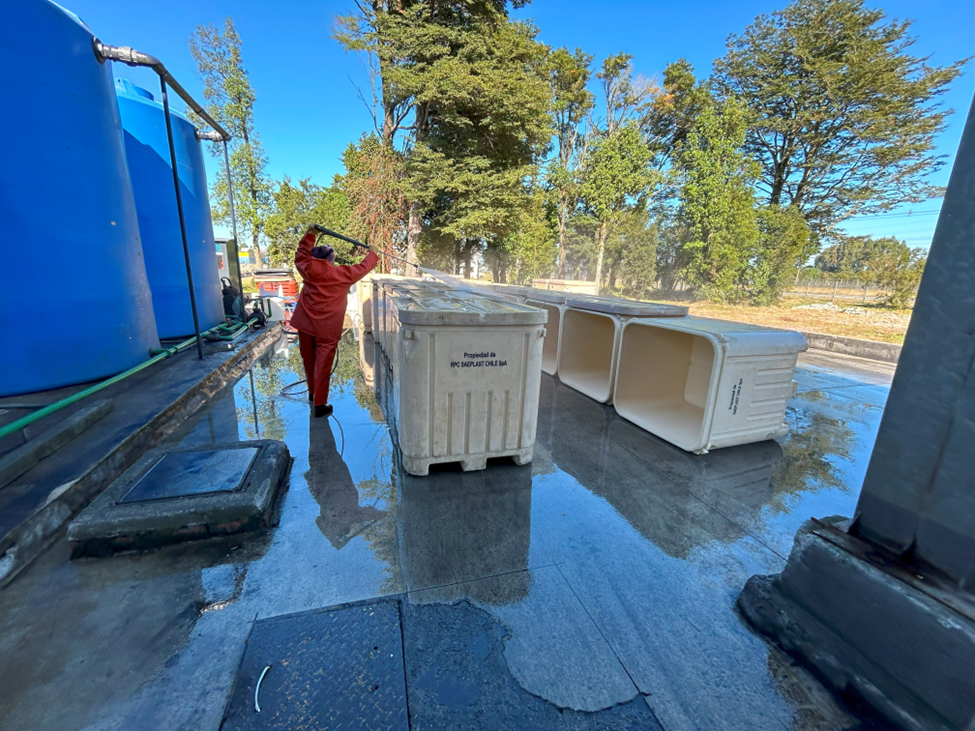
In regions like Europe and Chile, where the majority of the world’s farmed salmon is produced, the demand for logistics bins is immense, particularly during peak harvest seasons. Instead of investing in large fleets of bins that may sit unused during off-seasons, Saeplast promotes a renting model. This approach not only meets the fluctuating demands of companies like Caleta Bay but also minimizes waste and maximizes the lifespan of each bin through repeated use.
The renting model ensures that companies have access to high-quality, insulated plastic containers precisely when they need them, without the burden of storing excess inventory during slower periods. This model not only reduces environmental impact by encouraging reuse but also enhances the overall efficiency of the supply chain.
Meeting Expectations with Sustainable Solutions
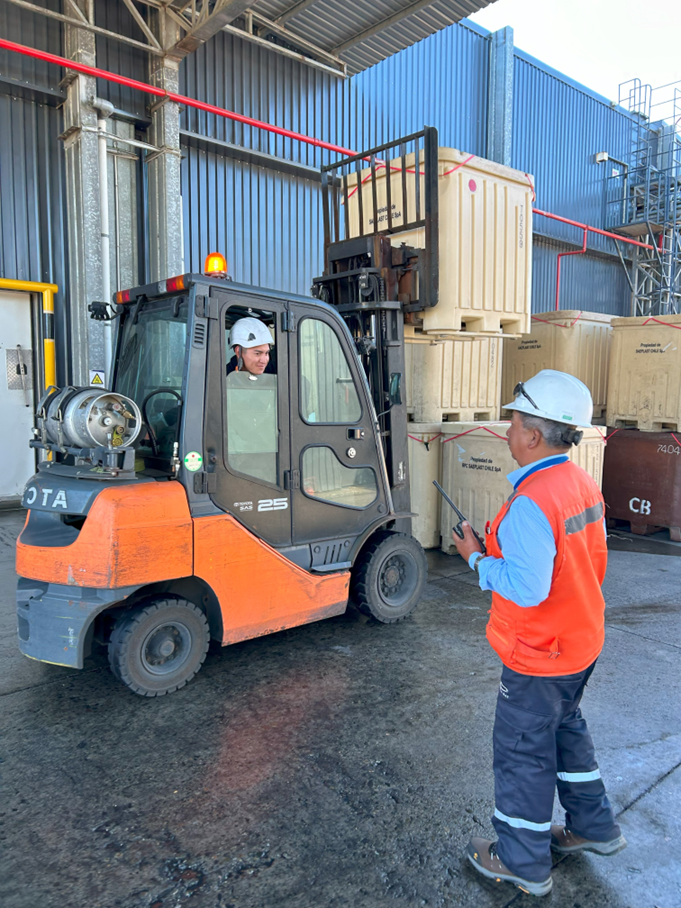
Saeplast’s PUR DXS335 Isothermal Bin provided the perfect answer. With its double-walled polyethylene construction and polyurethane filling, the bin offers superior temperature retention, keeping Caleta Bay’s products fresh during transport and waiting periods. Its durability ensures that the bin maintains its shape and structure even under the heavy demands of repeated forklift handling and stacking.
Efficiency Meets Sustainability
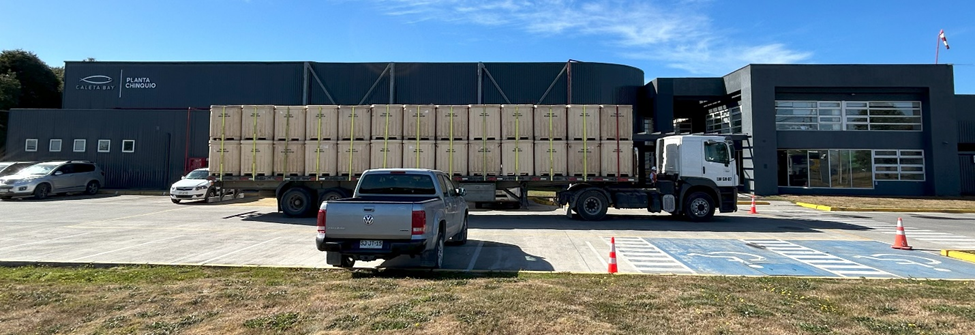
In the six years that Caleta Bay has been using Saeplast bins, the results speak for themselves. The high durability of the bins has resulted in less than 1% loss due to damage, which not only reduces waste but also contributes to greater profitability and a more sustainable operation. The ability to safely stack four bins at a time has maximized warehouse and truck space, reducing the overall carbon footprint of the transport process.
A Future-Proofed Operation
Saeplast’s approach to sustainability through reusable logistics solutions and the renting model has enabled Caleta Bay to operate more efficiently and responsibly. By focusing on reusability, durability, and reduced waste, Saeplast is helping companies like Caleta Bay not only meet but exceed their sustainability goals, paving the way for a more environmentally friendly and profitable future in the seafood industry.
More Like This:
We Build for the Future – and the Equipment Must Match
Food processors around the world are under pressure to improve safety, reduce waste, streamline operations, and deliver consistent quality. Saeplast helps them do that with durable, hygienic, reusable material-handling solutions designed for the realities of food production.
Coastal Cleaning 2026
Food processors around the world are under pressure to improve safety, reduce waste, streamline operations, and deliver consistent quality. Saeplast helps them do that with durable, hygienic, reusable material-handling solutions designed for the realities of food production.
Solving Food Processing Pain Points Across Global Operations
Food processors around the world are under pressure to improve safety, reduce waste, streamline operations, and deliver consistent quality. Saeplast helps them do that with durable, hygienic, reusable material-handling solutions designed for the realities of food production.