



Advantages of Using Stackable Polyethylene Wet Storage Containers: Go Higher and Save Floor Space
Facilities specializing in oysters, clams, mussels, and other mollusks vary widely in scale and ambition, ranging from expansive, state-of-the-art operations to modest, emerging enterprises. A universal challenge among them, however, is the efficient utilization of their available space to enhance operational flow and productivity.
The strategic adoption of stackable, modular polyethylene containers as an alternative to traditional, bulky tanks introduces unparalleled flexibility and efficiency to seafood storage and purging processes. These containers, distinguished by their durability and ease of mobility, facilitate a more streamlined, adaptable workspace.

The innovative design of these polyethylene containers incorporates robust, triple-wall construction for exceptional strength and resilience, particularly in the cooler conditions of these environments. Their lightweight yet sturdy build allows for straightforward transportation within the facility, supported by integrated pallet bases for hassle-free movement without the need for additional equipment. This design not only maximizes vertical space—allowing containers to be safely stacked up to four levels high—but also promotes optimal water circulation through gravity-assisted flow, reducing energy consumption.

Sustainability stands at the forefront of contemporary industry practices, making the recyclable nature of polyethylene containers a significant benefit. Designed for longevity and repeated use, these containers significantly reduce the need for frequent replacements. Furthermore, in the event of damage, their straightforward repair process minimizes downtime, enhancing operational sustainability. At the end of their lifecycle, responsible recycling or manufacturer take-back programs ensure a minimal environmental footprint, embodying principles of circular economy.
In summary, the transition to polyethylene containers for seafood wet storage and purging is not merely a spatial or environmental consideration but a strategic decision towards operational excellence. These containers offer a blend of efficiency, ease of use, employee safety, and sustainability. Adopting polyethylene containers is a forward-thinking move towards more sustainable, efficient, and adaptable operations.

More Like This:
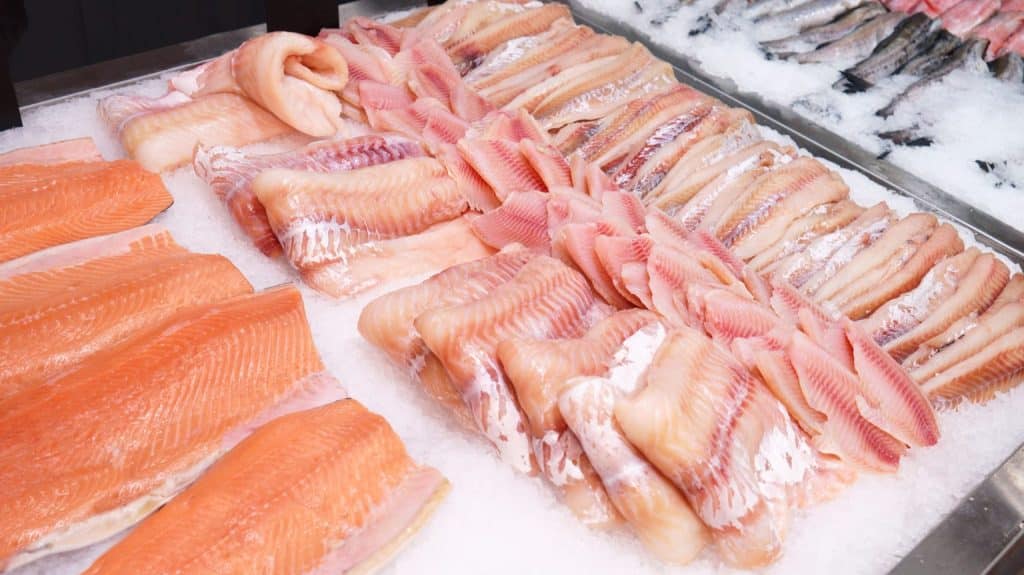
Fish Tubs: A Practical Guide to Better Seafood Handling
Food processors around the world are under pressure to improve safety, reduce waste, streamline operations, and deliver consistent quality. Saeplast helps them do that with durable, hygienic, reusable material-handling solutions designed for the realities of food production.
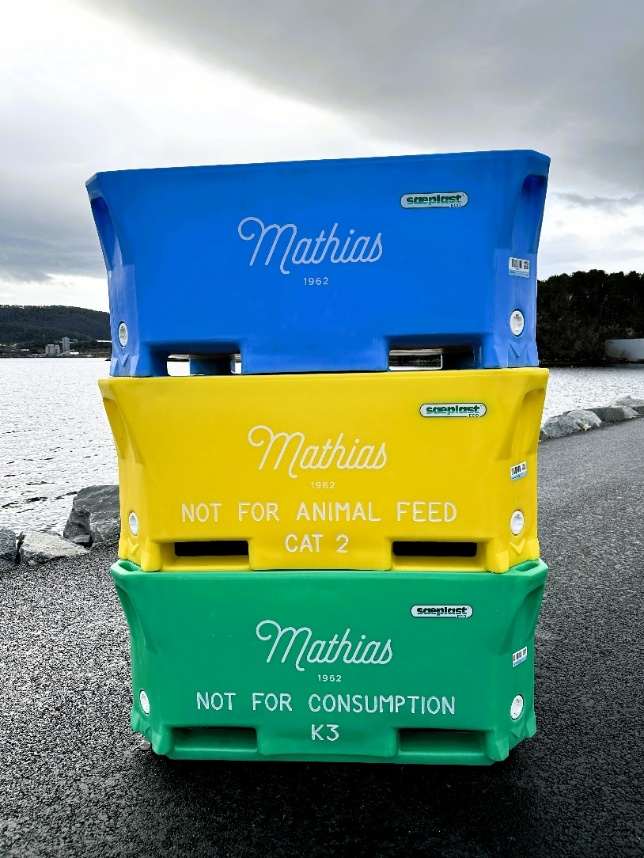
We Build for the Future – and the Equipment Must Match
Food processors around the world are under pressure to improve safety, reduce waste, streamline operations, and deliver consistent quality. Saeplast helps them do that with durable, hygienic, reusable material-handling solutions designed for the realities of food production.
Coastal Cleaning 2026
Food processors around the world are under pressure to improve safety, reduce waste, streamline operations, and deliver consistent quality. Saeplast helps them do that with durable, hygienic, reusable material-handling solutions designed for the realities of food production.